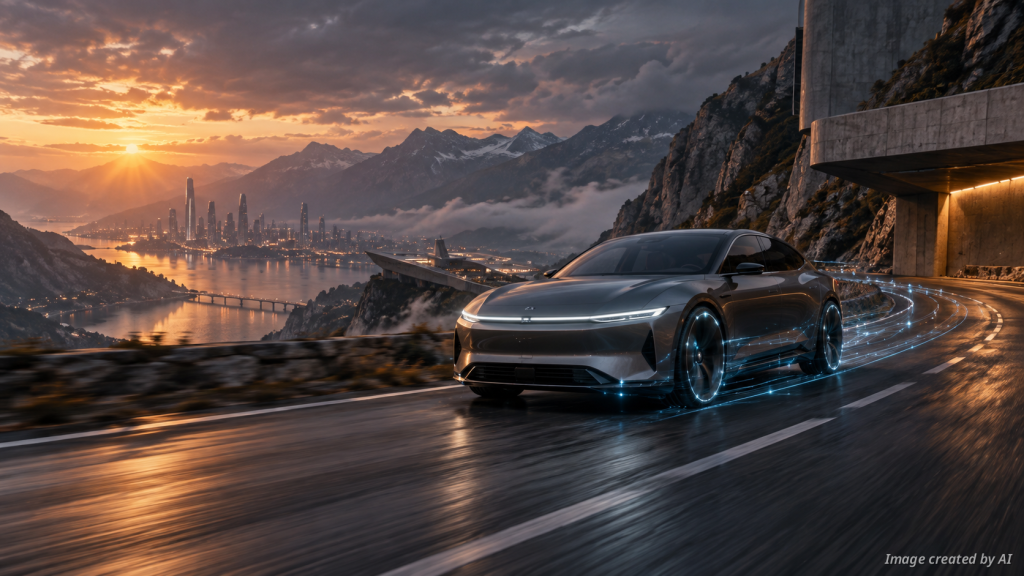
In the world of modern automotive engineering, Advanced Driver Assistance Systems (ADAS) have become a critical safety standard. Hardware engineers must have a deep understanding of the coordination between three core types of sensors: LiDAR, radar, and cameras.
Integrating these sensors allows the vehicle to clearly perceive its surrounding environment. It reduces human error and significantly increases travel safety [2].
The role of LiDAR in safety systems
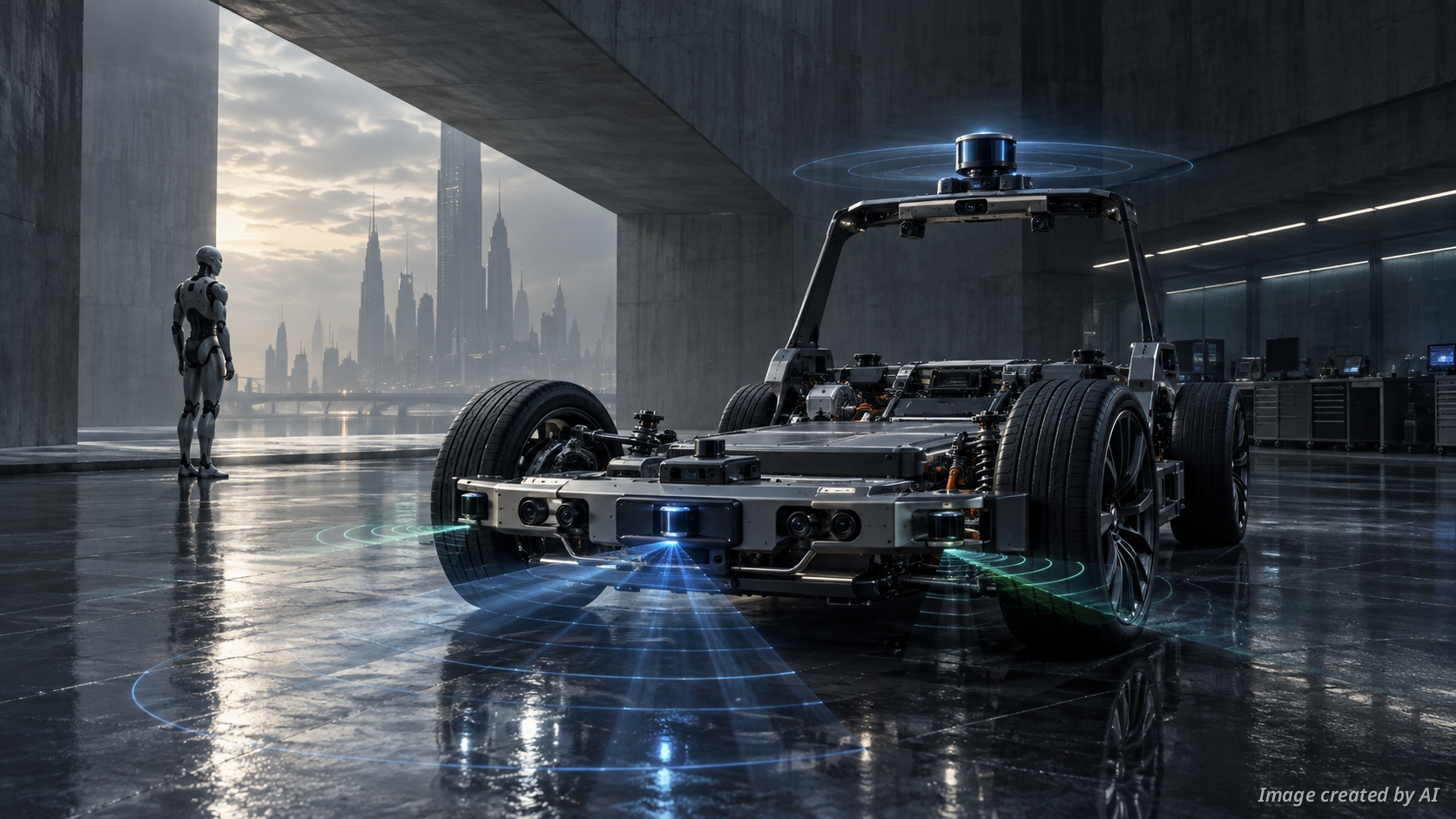
LiDAR functions by creating a 3D map of the environment using lasers. It offers high resolution in measuring the distance of objects. Compared to other sensors, LiDAR provides superior precision under various lighting conditions.
The use of LiDAR allows vehicles to detect small obstacles. Engineers must ensure that the data received from LiDAR is processed rapidly. It is the core component of safe autonomous driving.
The synergy of radar and cameras
Radar excels at detecting the speed and distance of moving objects. It performs well in adverse weather conditions, such as heavy rain or dense fog. Computer vision technology from cameras also assists in classifying object types [4].
Cameras can clearly read traffic signs and lane markings. When combining data from radar and cameras, the system becomes highly reliable. This is a multi-layered approach used in high-end vehicles [5].
The importance of ADAS calibration
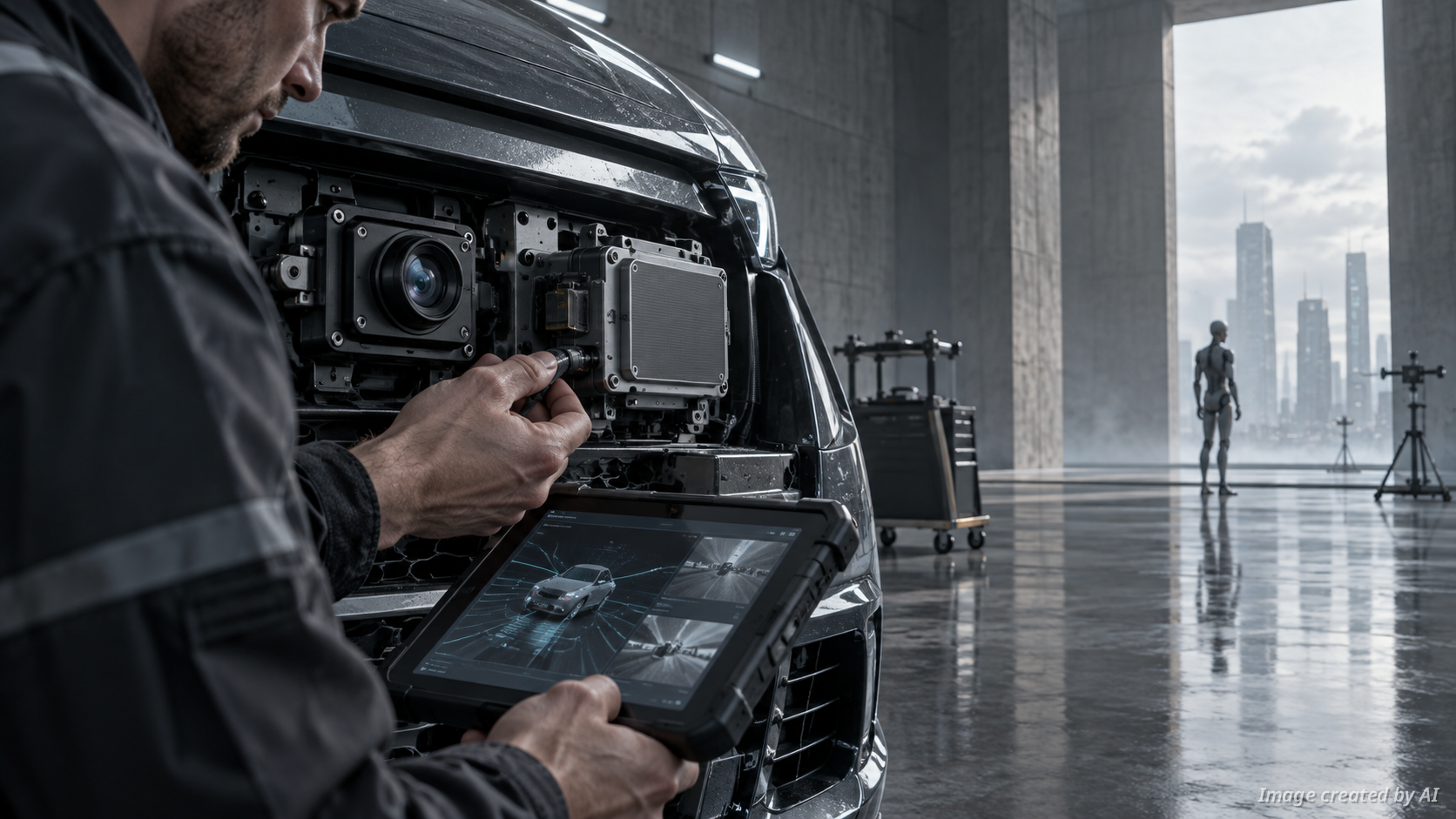
Even if sensors are of high quality, calibration is an indispensable step. ADAS calibration tools are designed to ensure that every sensor is functioning correctly [1].
Incorrect calibration can lead to erroneous system decisions. Engineers must use modern tools such as the Thinktool Master 2 to perform checks [3]. Regular maintenance of this system will help extend the vehicle's service life.
Optimizing automated systems
Integrating data from multiple sources enhances the vehicle's decision-making capabilities. Modern ADAS systems can adjust speed to suit traffic conditions. It also assists in clearly maintaining the vehicle's position within a lane [2].
Engineers should study Level 3 and 4 autonomous driving to understand future trends. Developing flexible software will allow systems to be updated more easily. This is a key factor in competing in the electric vehicle market.
Hardware development challenges
Placing sensors to suit the vehicle's structure is a challenge. Engineers must consider heat and vibration. Protecting sensors from the external environment is essential.
- Preventing electromagnetic signal interference.
- Ensuring low-latency data transmission.
- Testing durability in extreme weather conditions.
Using high-performance processing systems will help make ADAS decisions faster. Passenger safety depends on the precision of this hardware. Investing in research and development is a priority that vehicle manufacturers must address.
Conclusion
The integration of LiDAR, radar, and cameras is the foundation of safety in modern vehicles. Hardware engineers play a vital role in making these systems work perfectly. Precise calibration and proper maintenance will allow ADAS to achieve maximum efficiency.
In the future, these technologies will evolve to a higher level. Learning and adapting to new technologies is something every engineer should do. Road safety begins with excellent hardware design.
More Information
- ADAS Calibration: The process of adjusting sensors and cameras in a vehicle to the correct position so that driver assistance systems can function efficiently and safely [1].
- ADAS: Advanced Driver Assistance Systems that use sensors and software to increase driving safety, reduce accidents, and assist in controlling the vehicle more effectively [2].
- Thinktool Master 2: A modern diagnostic and ADAS calibration device that allows engineers to quickly and accurately check and resolve various sensor issues in a vehicle [3].
- Computer Vision: Technology that allows computers to "see" and interpret data from cameras to classify objects, traffic signs, and driving environments [4].
- Sensor Fusion: The integration of data from multiple sensor types such as LiDAR, radar, and cameras to create a clear and reliable overview of the environment that is superior to using a single type of sensor [5].