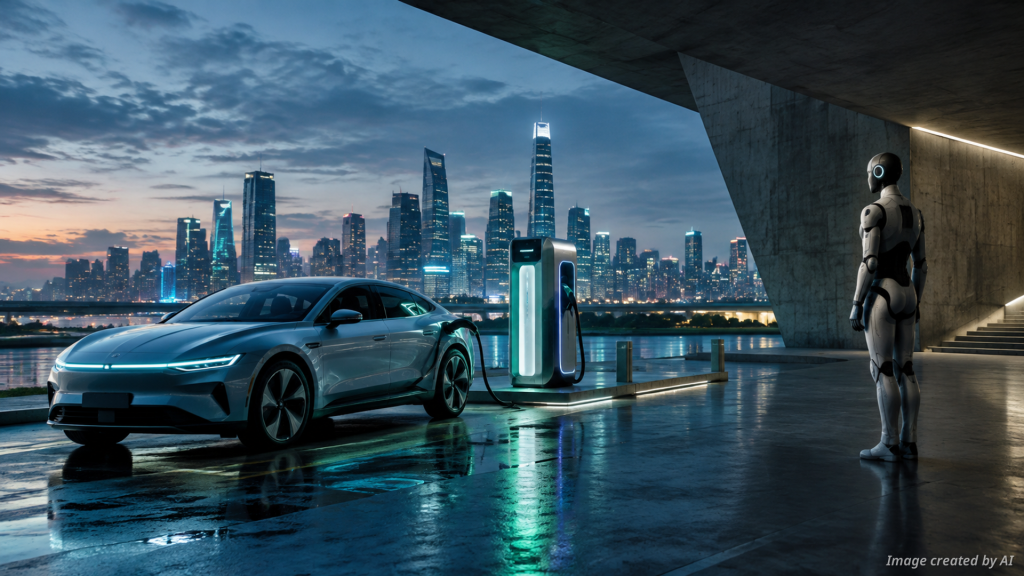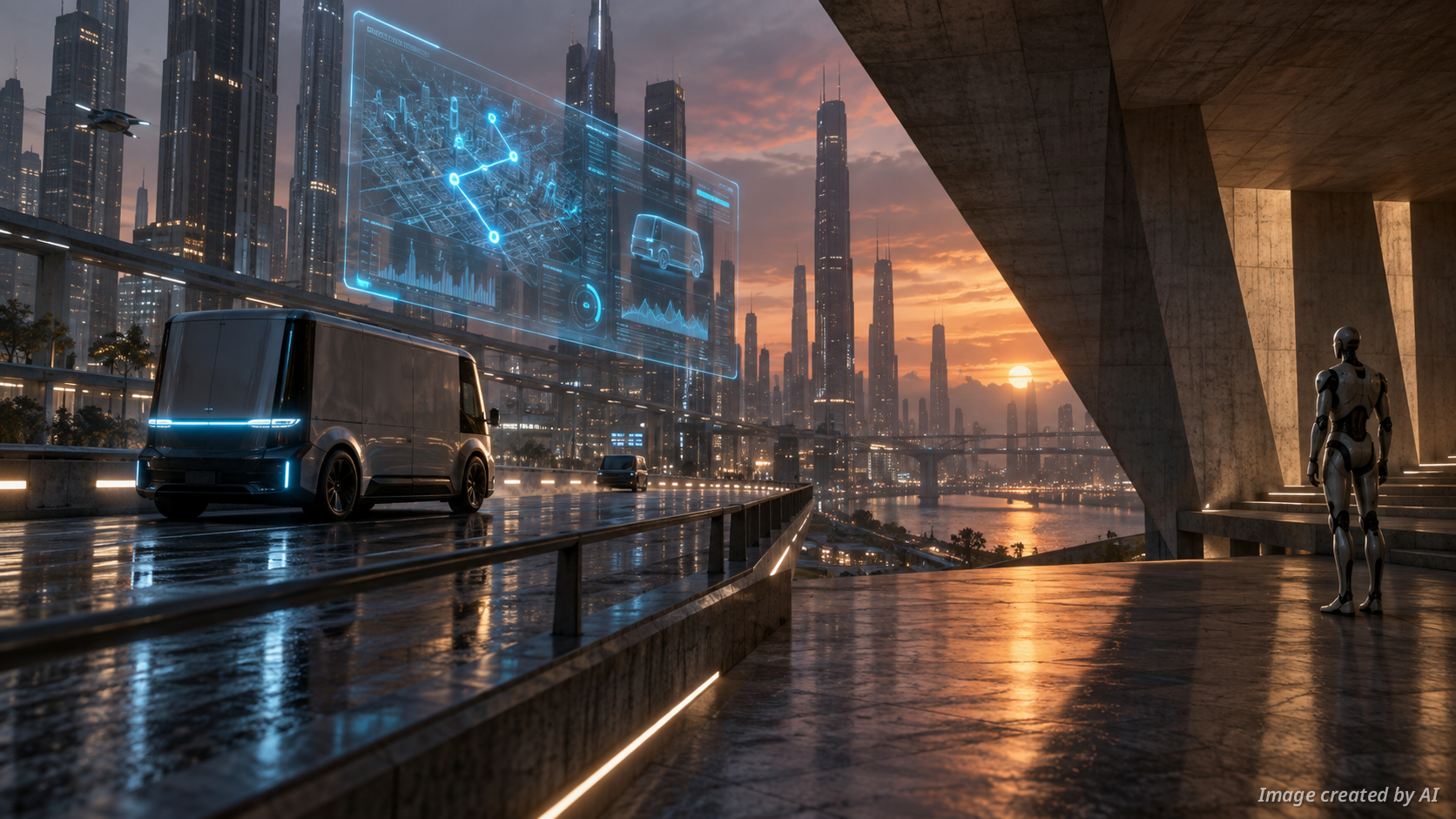
In an era of rapid technological advancement, logistics has become the backbone of the economy. The integration of artificial intelligence (AI) into route planning has created a significant transformation for logistics companies. In particular, using AI to optimize delivery routes for commercial electric vehicles (EVs) represents a crucial step in reducing costs and protecting the environment.
Real-time traffic data analysis is the core of this system. AI can assess weather conditions, traffic density, and other external factors to recommend the most efficient routes for drivers [1]. As a result, logistics companies can effectively avoid traffic congestion and reduce delivery times.
The Transformation of Logistics Systems with AI
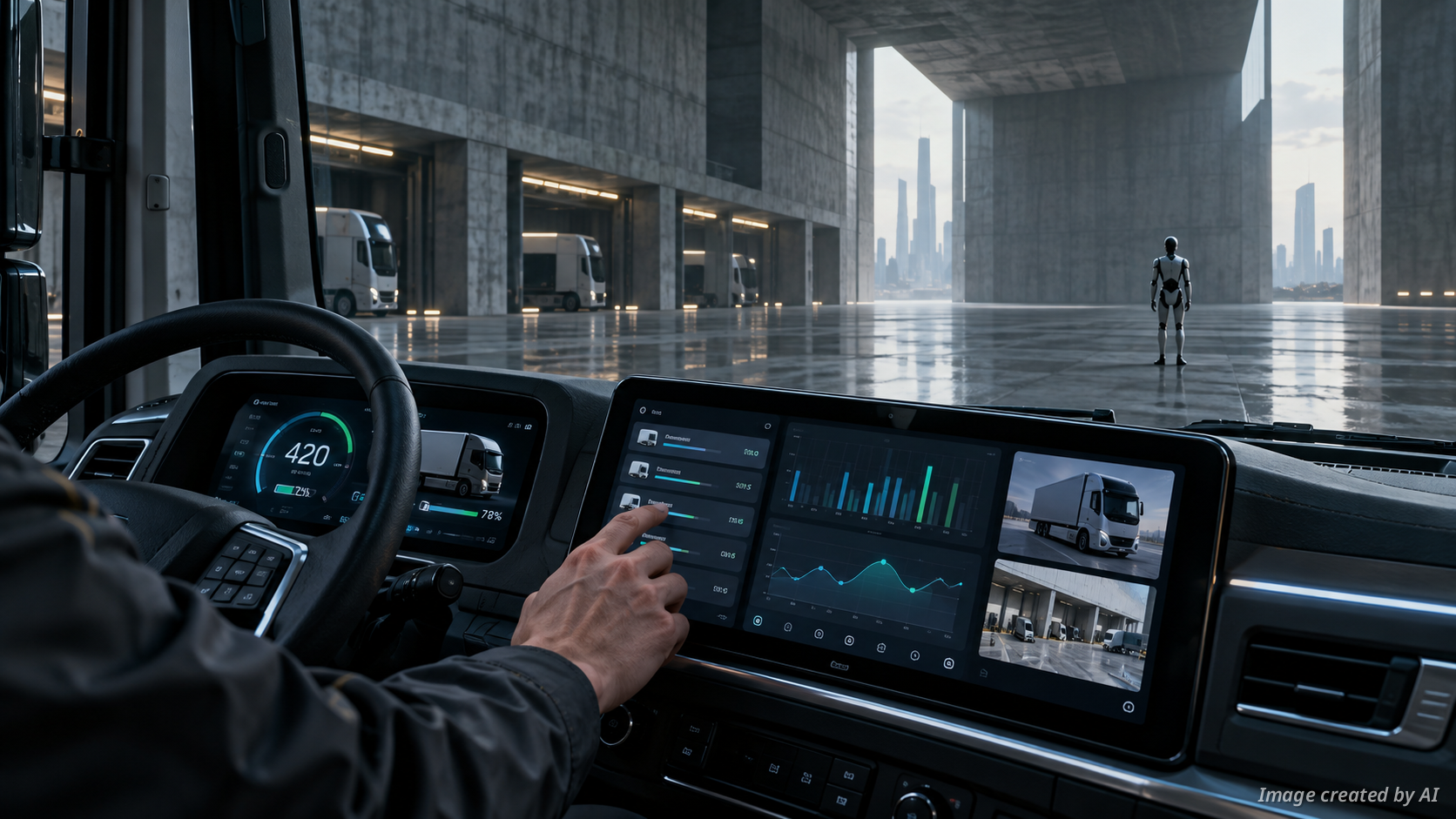
The application of AI does not only assist in selecting routes but also helps streamline supply chain management. Many logistics companies have begun to use AI technology to upgrade their services. These systems help predict potential risks, allowing for greater flexibility in production and logistics planning [1].
For commercial electric vehicles, energy management is paramount. AI can calculate the vehicle's range based on road conditions and battery charge levels. You can learn more about high-efficiency electric vehicle energy management software to understand the importance of energy management in electric vehicles.
Benefits of AI for Commercial Electric Vehicles
Using AI for route planning helps electric vehicles save more energy. When routes are optimized, travel distances are shortened, maximizing the efficiency of each charge. Furthermore, the use of intelligent systems significantly reduces human error [1].
In countries with rapid commercial growth, using AI to optimize supply chains has become a new standard [2]. These technologies allow companies to compete better in the market by providing fast and on-time services that customers demand.
Challenges in Implementing AI
Despite the significant benefits of AI, there are challenges to its implementation. A major issue is the shortage of experts with knowledge in both AI and logistics [3]. Training personnel in digital skills is therefore a critical factor for business survival in this era [5].
Additionally, investing in AI systems requires budget and long-term planning. However, the returns in terms of cost savings and increased efficiency are well worth it [5]. Many companies are starting to use various platforms to increase delivery efficiency and reliability [3].
The Future of Electric Vehicle Logistics
The future of logistics lies in the coordination between electric vehicles and AI. With technological development, we will see delivery vehicles capable of making their own decisions in certain situations. This not only helps reduce accidents but also increases the safety of goods transport in high-traffic areas [1].
Applying AI to challenging traffic conditions is the most suitable solution for logistics businesses today [4]. By combining electric vehicles and artificial intelligence, logistics companies can create a sustainable and highly efficient transport ecosystem.
To keep your business up to date, starting to study and implement AI into your logistics processes is something that should not be delayed. Route optimization, energy management, and better customer service will be the key to growing your business steadily.
The transition to digital systems is not just an option; it is a necessity. With the right tools, you can easily turn challenges into business opportunities. Let's start the journey toward smart logistics today.
More Information
- Artificial Intelligence (AI): A technology that enables computers to analyze and make decisions similar to humans, used to plan routes and manage logistics with maximum efficiency.
- Commercial Logistics: The process of planning, implementing, and controlling the movement of goods from producers to consumers through various transport systems.
- Route Optimization: The process of using software to find the shortest, fastest, and most energy-efficient routes for delivery.
- Commercial Electric Vehicles: Vehicles that use electric energy for propulsion, used in logistics to reduce emissions and fuel costs.
- Digital Transformation: The integration of digital technology into all business processes to change how work is done and add value to customers.