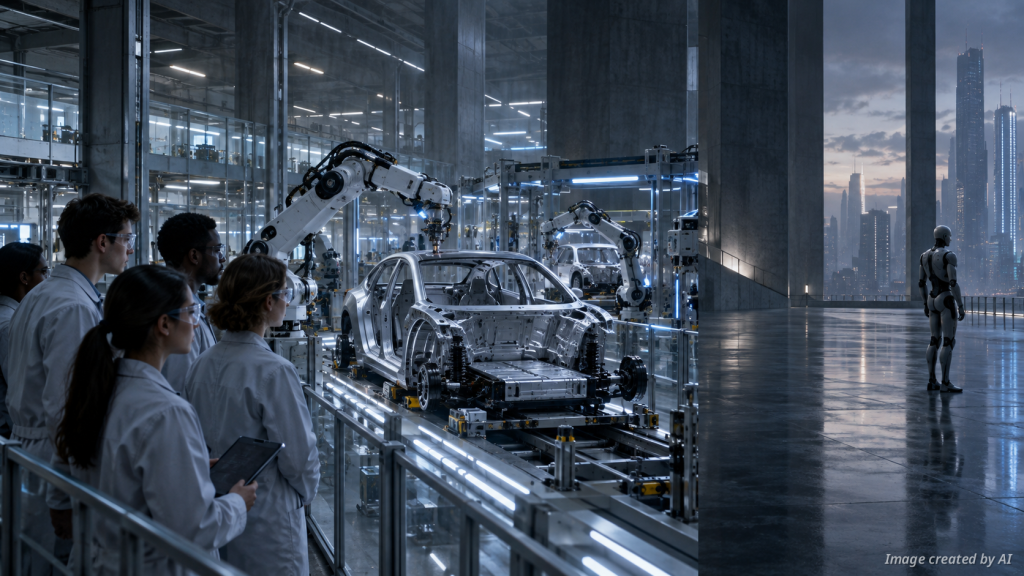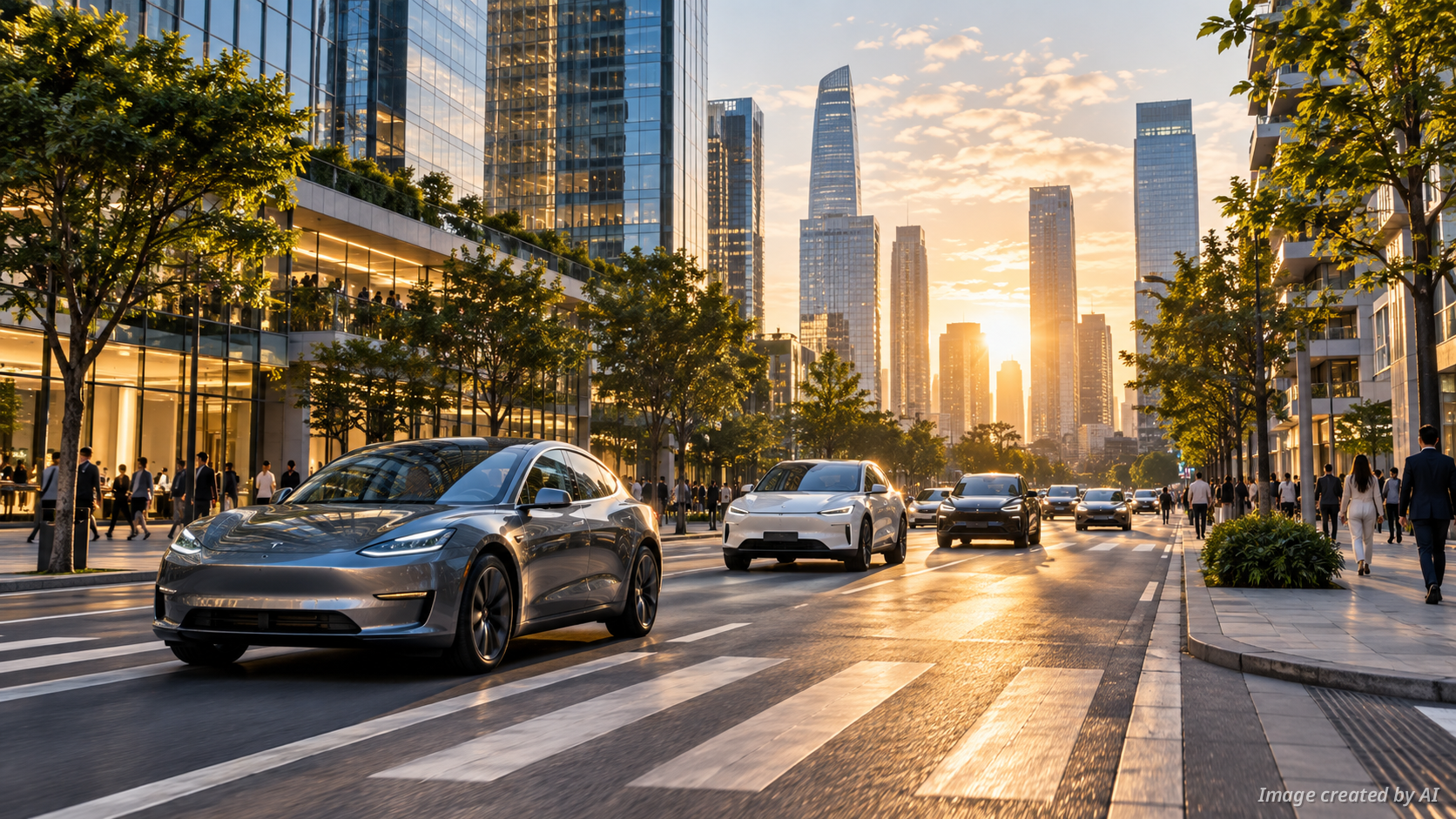
The shift toward electric vehicles (EVs) is not merely a global trend but a crucial strategic decision. Many countries in Southeast Asia, including Vietnam and Laos, are witnessing a leap in the growth of these types of vehicles.
Consumers today are increasingly interested in electric vehicles due to economic benefits and ease of use reasons why electric vehicles have become a new trend for consumers today. These factors are fundamentally changing vehicle purchasing behavior.
Government Support Policies
A primary factor driving this transition is favorable government policy. In many countries, exemptions from taxes and registration fees for electric vehicles have significantly reduced the cost of ownership [1].
Governments are also establishing clear standards and regulations for charging stations and batteries to provide confidence to users [2]. This support makes the decision to purchase an electric vehicle a more cost-effective option than gasoline-powered cars.
Energy Security and Economy
Switching to electric vehicles effectively reduces dependence on imported fossil fuels. Many countries rich in renewable energy sources, such as hydropower, can use domestic energy to power vehicles directly [1].
This transition not only saves foreign currency but also creates long-term energy security. You can read more about strategies to reduce fuel supply pressure to gain a deeper understanding of this issue.
Innovation and Technological Development
Technological advancements are making electric vehicles more efficient. Longer driving ranges and modern software systems provide users with a better experience than before.
Furthermore, building a strong industrial ecosystem remains a factor that attracts investment and continuous development [3]. Market competition provides consumers with more choices at affordable prices.
Infrastructure Adaptation
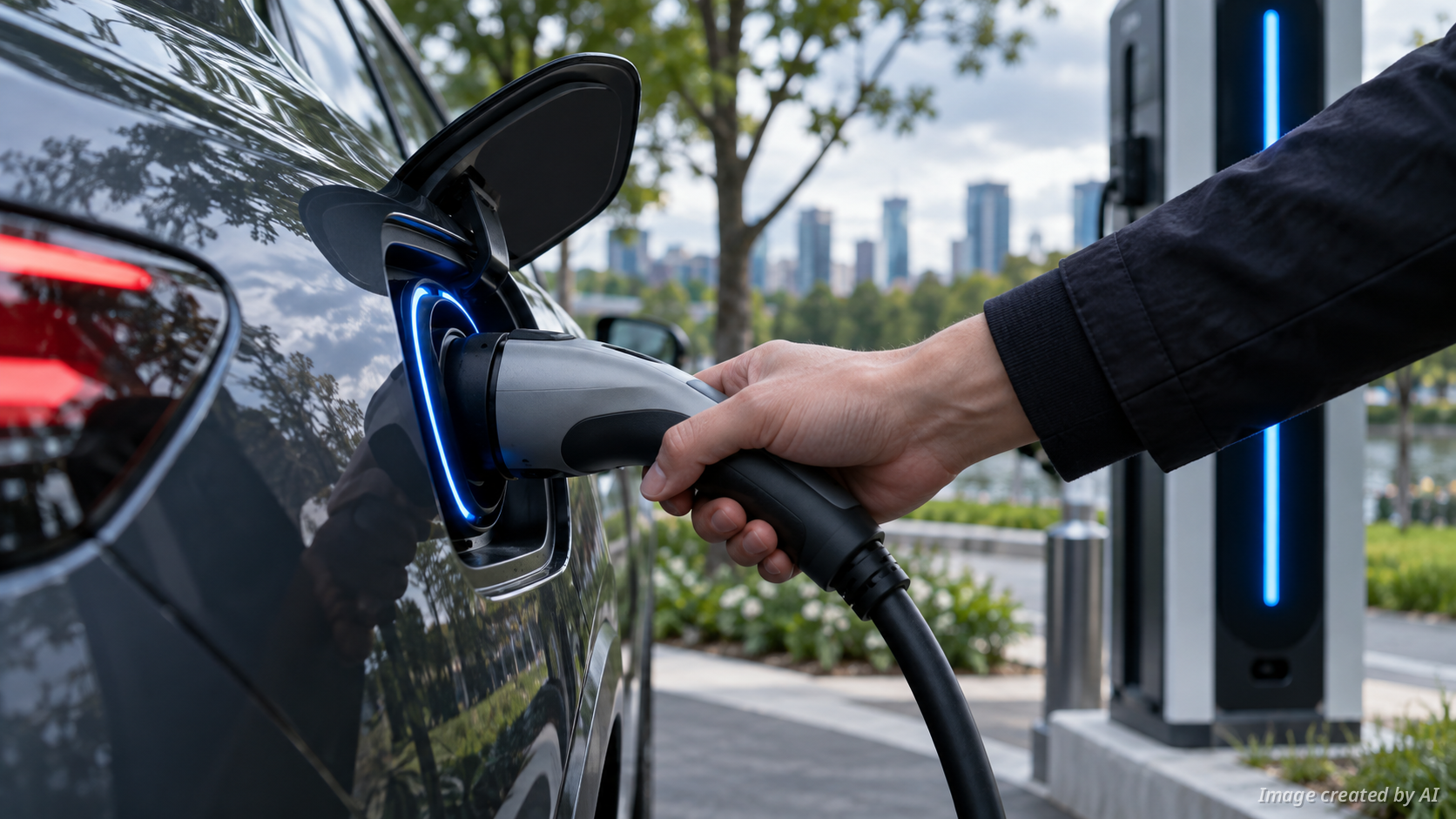
The expansion of charging stations is the heart of this transition. Many countries are accelerating the development of charging networks to cover all areas to facilitate long-distance travel [4].
Investment in infrastructure not only makes it convenient for EV users but also builds confidence for those who are still hesitant. You can study more information about the speed of the transition to electric vehicles to see future trends.
Environmental Impact
Although economic factors are the main drivers, environmental concerns play an equally important role. Reducing exhaust emissions helps improve urban air quality [5].
Modern consumers prioritize sustainable living. Choosing an electric vehicle is an expression of responsibility toward society and our planet.
Conclusion
The shift to electric vehicles in Vietnam and the region is the result of many factors. Whether it is government policy, energy security, or modern technology, everything points in the same direction.
In the future, as infrastructure becomes more complete, using electric vehicles will become a normal part of everyone's daily life. It is time for us to prepare for this positive change.
More Information
- Luxury Tax: A tax levied by the government on certain goods; tax exemptions for electric vehicles are a key incentive that helps lower the selling price.
- Energy Security: A state in which a country has sufficient and stable energy sources for domestic consumption, reducing dependence on imported oil.
- Industrial Ecosystem: The integration between manufacturers, parts suppliers, and service providers related to electric vehicles to strengthen the market.
- Charging Infrastructure: A network of charging stations and necessary equipment to make the use of electric vehicles convenient and accessible.
- Emissions: Exhaust gases released from internal combustion engines, which electric vehicles can address by producing zero tailpipe emissions while driving.