The use of electric vehicles (EVs) has become a primary choice for those who value modernity and environmental consciousness. Driving convenience is a key factor that EV users prioritize most. Wireless charging technology has therefore emerged as an innovation that perfectly meets this need.
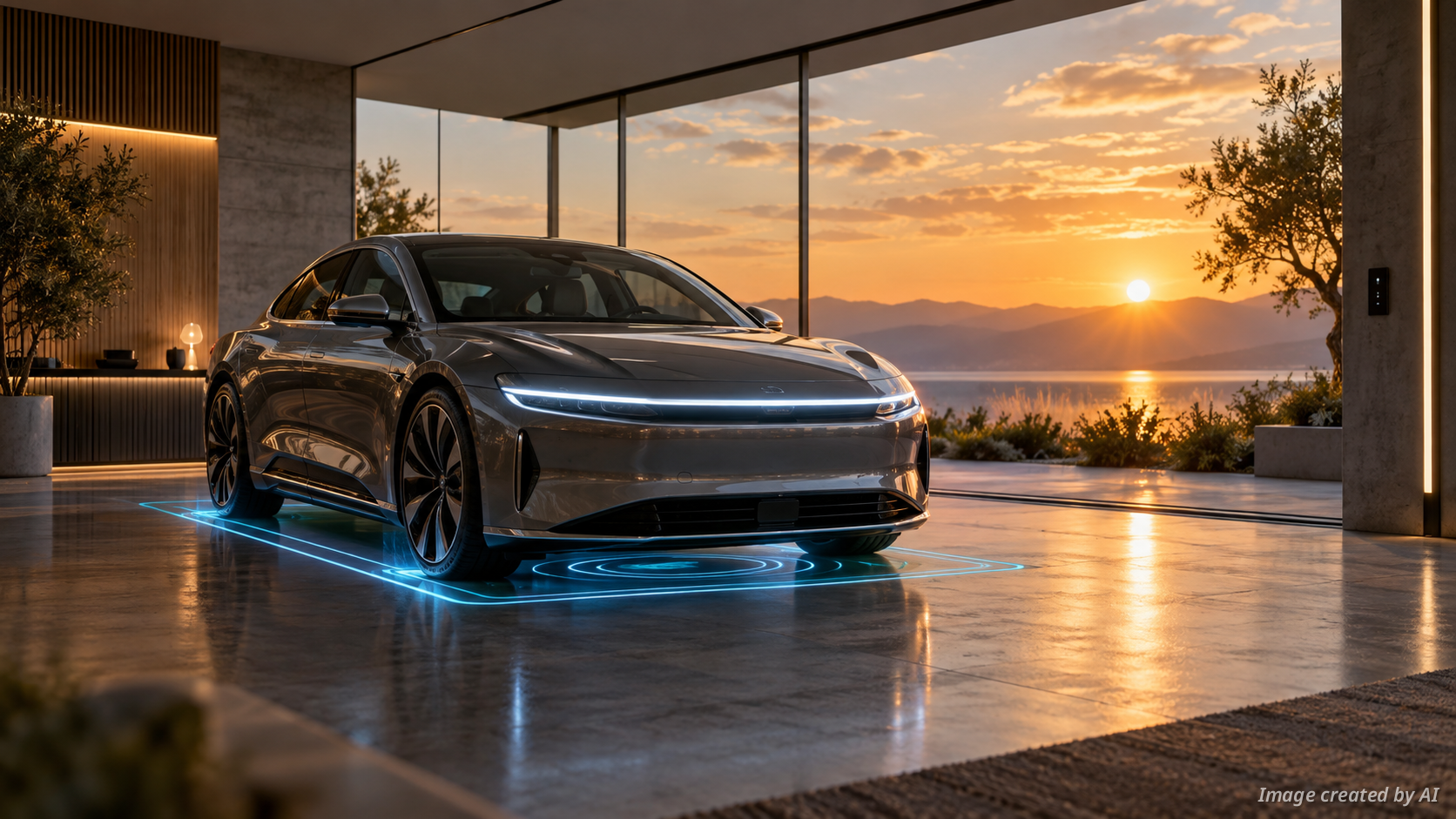
This technology allows you to charge your vehicle without the hassle of heavy cables. Simply park the car over a charging pad, and power is transmitted directly to the battery. It is a transformation that makes the journey simpler and faster than ever before [3].

Advancements in Wireless Charging Technology
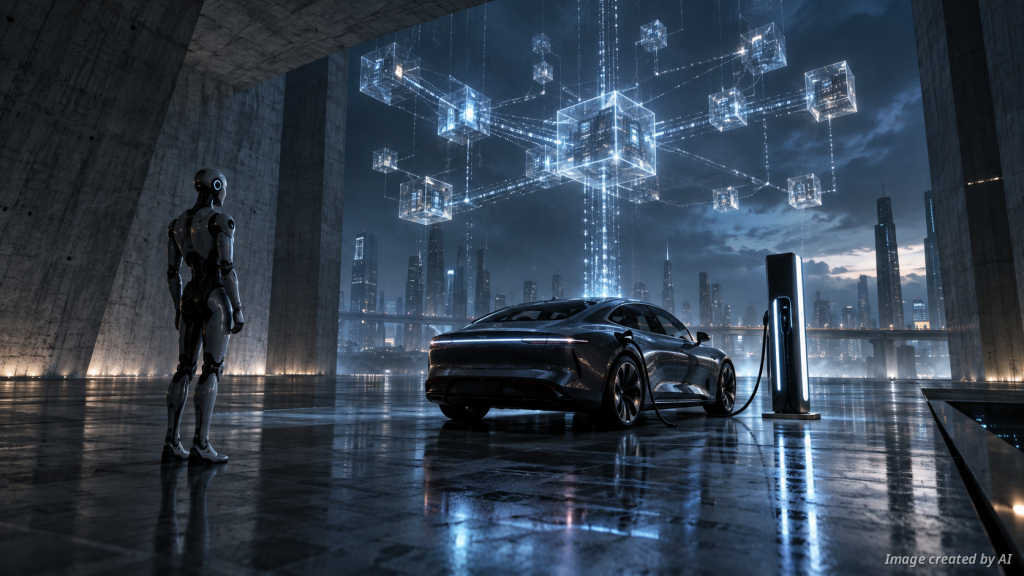
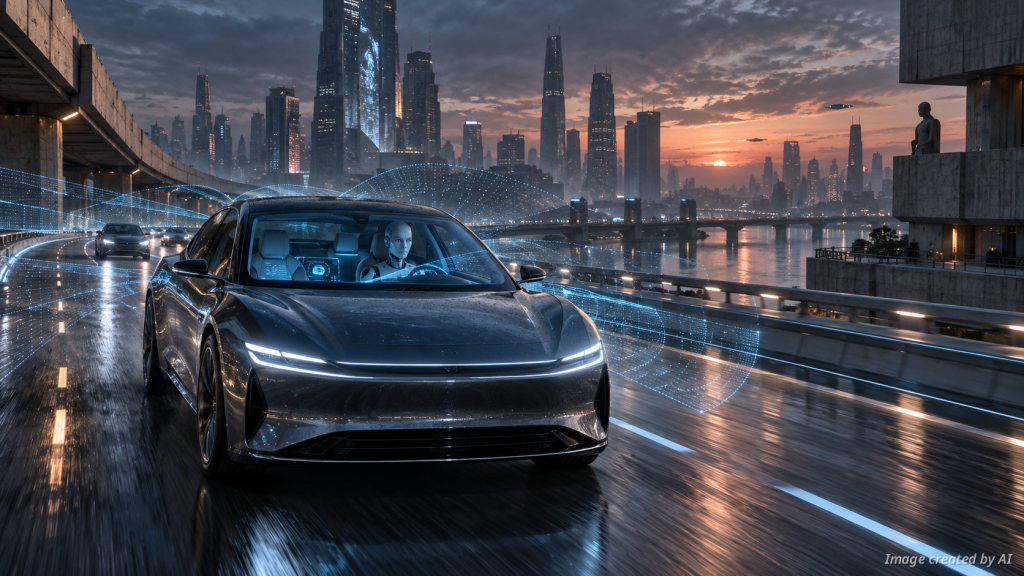
Wireless charging technology has been continuously developed to support diverse needs. It is not only used at home but is also being developed into systems that charge while the vehicle is moving on the road [1]. This is a major leap that could eliminate the range limitations of electric vehicles in the future. You can learn more about wireless charging technology for a deeper understanding.
Its operating principle is based on energy transmission via magnetic field resonance. It is similar to charging a smartphone, which we are already familiar with. The only difference is the size and the amount of power being transmitted [3].
Convenience in the Lao Market
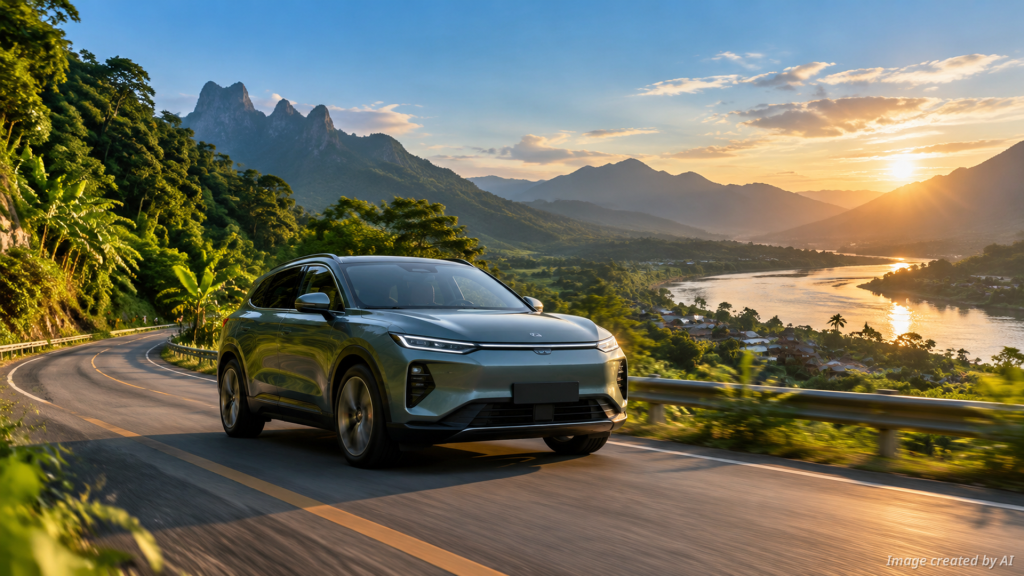
In Laos, the electric vehicle market is growing rapidly. Many EV users have begun to experience using third-party charging stations [2]. Although current usage still relies on wired charging, the demand for simpler technology continues to increase.
The availability of charging stations in Vientiane, Vang Vieng, or Savannakhet demonstrates the readiness of the infrastructure [2]. Implementing a wireless charging system would significantly elevate the experience for drivers. You can read about intuitive and user-friendly EV UX/UI design to see how other technologies help facilitate convenience.
Smart Energy Management
Beyond convenience, charging must also be efficient. Smart energy sharing technology makes charging multiple vehicles simultaneously easy [4]. This system helps reduce heat and extends the lifespan of charging equipment. See more information at energy management in charging stations.
Using these systems also helps keep operating costs low. Operators can manage energy without needing to upgrade large-scale electrical systems [4]. This is beneficial for both service providers and EV users themselves.
The Future of Electric Vehicle Travel
The future of electric vehicles does not stop at fast charging. It is about creating an ecosystem where cars can charge wherever they are parked. Whether it is a parking lot at a shopping mall or a garage at home, convenience will be the core factor [3].
The development of this technology also helps electric vehicles become a truly convenient part of life. You can study more about driving electric vehicles to adapt to the modern era. Investing in modern technology will help you get the best driving experience.
In conclusion, wireless charging technology is no longer a distant concept. It is an investment for long-term convenience and efficiency in electric vehicle usage. EV users who love modernity should closely follow the progress of this technology.
More Information
- Dynamic Wireless Charging: A technology that allows electric vehicles to charge while driving on the road through power transmission systems embedded beneath the road surface [1].
- Third-party Charging Station: A charging station not affiliated with any specific vehicle brand, providing charging services for various electric vehicle brands that have compatible charging ports [2].
- Wireless Charging: The process of transmitting electrical energy from a source to a vehicle battery without using connection cables, using the principle of magnetic field resonance to transmit energy [3].
- Smart Energy Sharing: Technology that helps allocate the amount of current to multiple vehicles charging simultaneously to prevent exceeding power limits and reduce heat [4].
- Electric Vehicle Technology: A group of technologies related to propulsion, energy storage, and energy management in electric vehicles for safety and maximum efficiency [5].