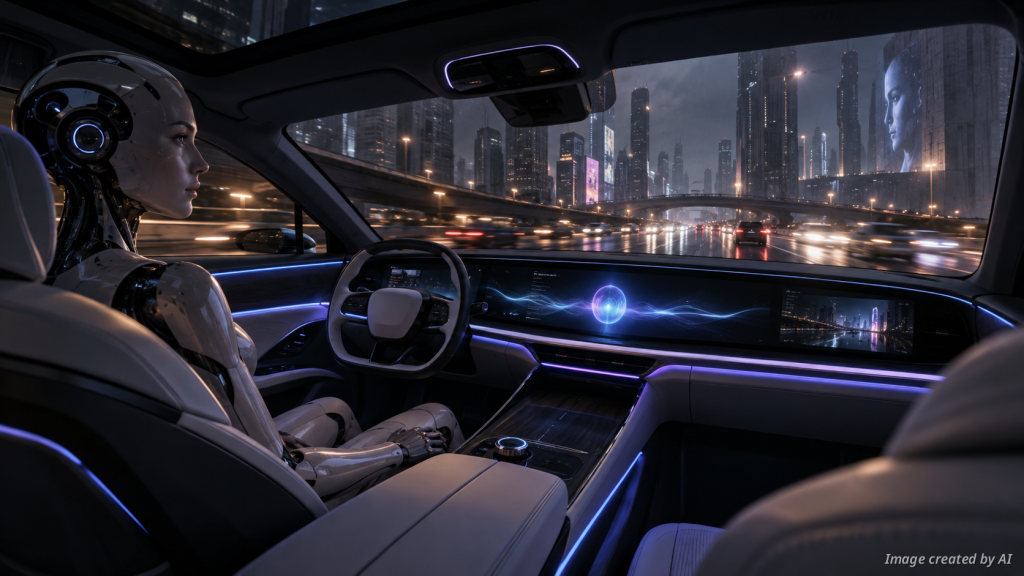
In an era where technology is advancing relentlessly, the transformation of the automotive industry is becoming increasingly clear. Electric vehicles (EVs) have become a widely discussed topic globally, including in Laos. Despite some challenges, the demand for transitioning to clean energy continues to rise steadily.
Many consumers are beginning to recognize the advantages of using electric vehicles compared to traditional internal combustion engine vehicles. Although some may still be hesitant due to factors such as price and infrastructure [1], the development trend has not stalled.
Policy changes and the environment
A key factor driving the development of electric vehicles is the policy of governments in many countries that aim to reduce emissions. The transition to clean transportation is part of the goal to achieve net-zero emissions [3]. This serves as a catalyst for automakers to adapt and develop products that meet consumer needs.
Additionally, concerns about climate change are leading consumers to take a greater interest in environmentally friendly alternatives. Choosing an electric vehicle is therefore not just a matter of convenience, but also a contribution to preserving the planet.
Challenges that consumers must still consider
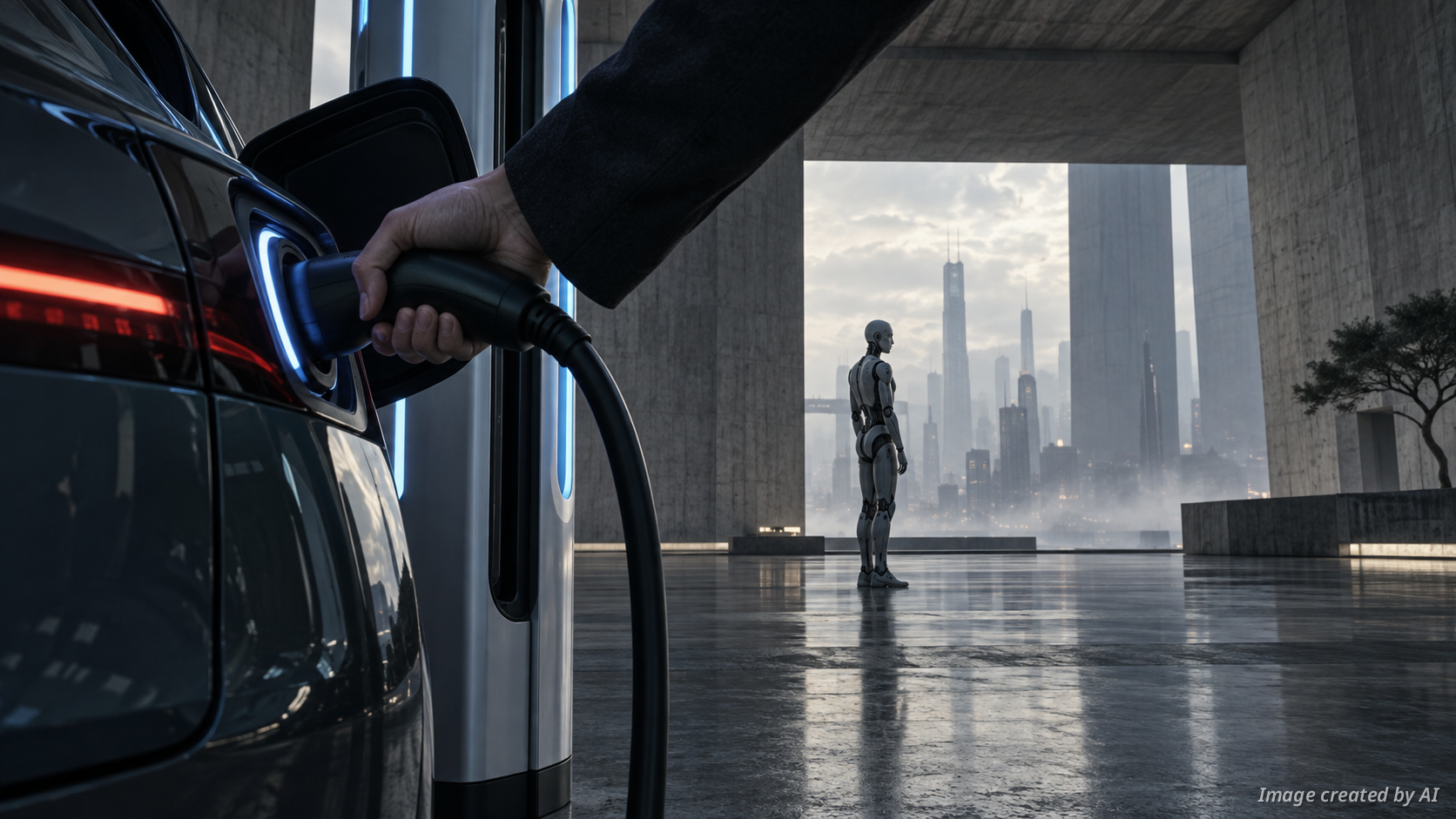
Despite many advantages, consumers still have concerns in some areas. For example, prices remain high compared to the income of the general population, and the network of charging stations is not yet as widespread as it should be, leading to hesitation in purchasing decisions [2].
Concerns regarding battery lifespan and driving range are also significant factors [3]. Consumers want assurance that their vehicles will be able to travel long distances without worrying about running out of power mid-journey.
Cutting-edge technology and safety
The development of electric vehicles today is not just about energy. Manufacturers are also incorporating AI and various intelligent systems to assist in driving. You can learn more about using AI for driving safety in severe weather conditions to increase your confidence while using a vehicle.
Safety is the most important aspect of driving on the road. The use of modern technology helps reduce accidents caused by human negligence, such as using a phone while driving [4]. These systems will make travel calmer and safer.
Market and consumer adaptation
Despite obstacles, the electric vehicle market still has high growth potential. Many countries in Southeast Asia are accelerating the development of infrastructure to support this demand [2]. Consumers who understand the long-term benefits will begin to see that electric vehicles are a worthwhile investment.
Furthermore, competition among automakers is making electric vehicle prices more accessible. The more competition there is, the more consumers benefit. You can also explore electric vehicles with automatic climate control systems for maximum comfort to see the progress of technology inside vehicles.
Conclusion
The development of electric vehicles today is an unavoidable trend. Even with challenges regarding price and infrastructure, with support from government policies and advanced technology, electric vehicles will become the primary choice for consumers in the future. Adapting and learning about new technologies will help you choose a vehicle that effectively suits your daily life.
Safety remains the highest priority. Whether it is an electric vehicle or a fuel-powered one, maintaining awareness while driving and avoiding phone use while operating a vehicle [5] is a rule that everyone must strictly follow.
Additional Information
- Electric Vehicle (EV): A vehicle powered by an electric motor using energy from a battery, which is a more environmentally friendly alternative to internal combustion engine vehicles.
- Charging Infrastructure: The system of electric charging stations distributed in various locations to support recharging for electric vehicles, which is a key factor in purchasing decisions.
- Net Zero Emissions: The goal of reducing greenhouse gas emissions to the lowest possible level to address global warming and climate change.
- AI Technology in Automotive: The use of artificial intelligence to increase safety, assist in driving, and improve the efficiency of vehicle performance.
- Road Safety: Adhering to traffic rules and maintaining awareness while driving to prevent accidents that may occur to all road users.