
The global electric vehicle (EV) market is undergoing a significant transformation. In developing countries, this transition is not just about the environment; it is also a massive business opportunity. The Lao PDR has become a prominent example in Southeast Asia with its robust promotional policies [1].
International investors are closely monitoring this market. The shift from internal combustion engine vehicles to electric vehicles has created new demand for infrastructure and related services [2].
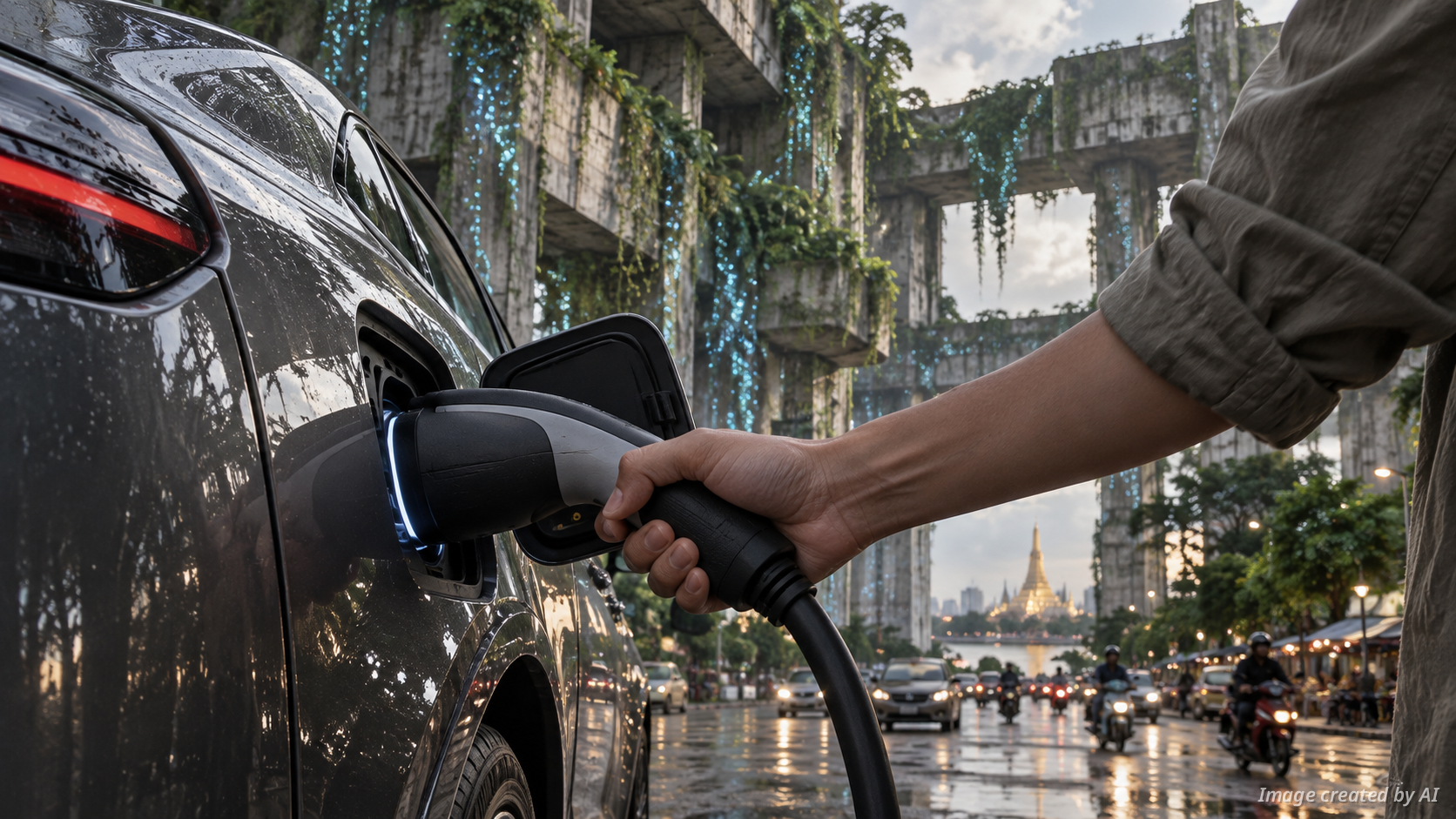
Growth of the EV Market in Laos
The Lao PDR has set an ambitious goal for electric vehicles to account for 30% of all vehicles by 2030 [3]. This effort is supported by bans on the import of certain types of internal combustion engine vehicles. This has paved the way for Chinese EV brands and regional manufacturers [3].
Furthermore, other related ecosystems are being developed. You can learn more about the EV parts market: New opportunities for investors in Laos to understand the supply chain. Investment in this sector is not limited to vehicle sales, but also includes the construction of charging stations and digital management platforms [3].
Opportunities for International Investors
Competition in the EV market is heating up [4]. Manufacturers from China have begun entering the Lao market in full force to seek new opportunities [2]. At the same time, regional electric vehicle companies have seized this opportunity to expand their business base through public transport services [3].
Investors should consider government policy factors. Financial and tax support for affordable vehicles is a key catalyst [3]. You can read more information about Electric vehicles and renewable energy systems in the Lao PDR for an overview of energy connectivity.
Challenges and Lessons from the Region
Although the market is growing, there are still challenges to address. In some developing countries, EV sales rates remain below 0.5% [1]. Therefore, strategic planning tailored to the local context is essential [1].
Studying lessons from foreign markets will help entrepreneurs avoid potential risks [5]. Sustainable growth must rely on investment in robust infrastructure [1].
The Future of Transportation in Laos
The shift toward electric vehicles in Laos is not just a temporary trend. It is a significant economic adjustment [2]. With support from government policies, this market will continue to grow [1].
Investors who can access the market quickly and provide services that meet user needs will have a competitive advantage. Investing in modern technology will be a key factor in developing the electric vehicle industry for stable future growth [4].
More Information
- Electric Vehicles (EVs): Vehicles powered by electric motors rather than internal combustion engines, using energy from rechargeable batteries; they are key to reducing pollution in developing countries.
- Charging Infrastructure: The network of charging stations and necessary equipment to support EV usage, which is a key factor in consumer purchasing decisions and market success.
- EV Promotional Policies: Government measures such as tax exemptions, subsidies, and regulations banning the import of fuel-powered vehicles to stimulate the transition to clean energy.
- EV Market in Asia: The region with the fastest growth in EV sales globally, with China as the leader and Southeast Asian countries like Laos accelerating development to follow suit.
- Economic Sustainability: Balanced development between the growth of the EV industry, environmental protection, and generating worthwhile long-term returns for investors.