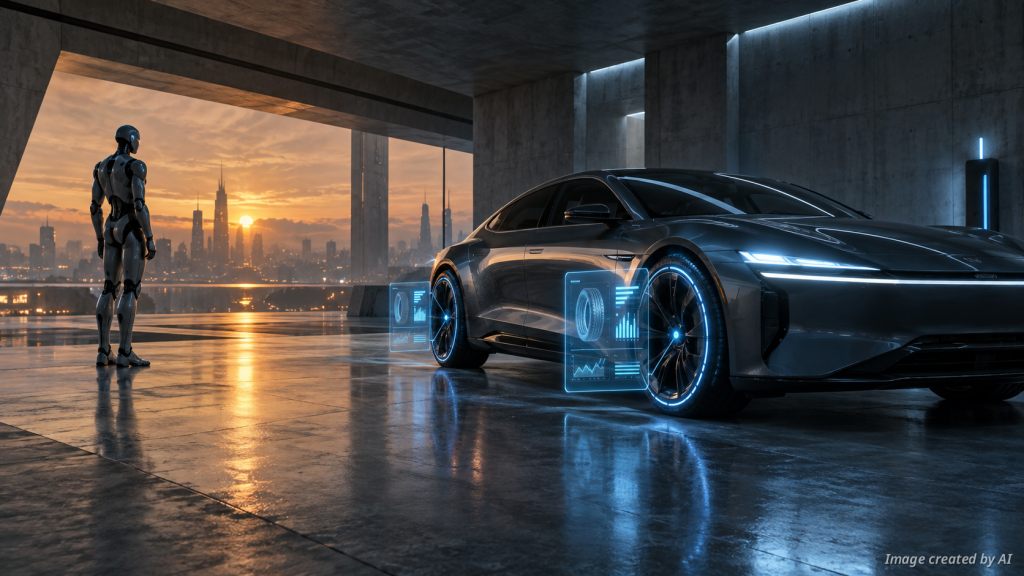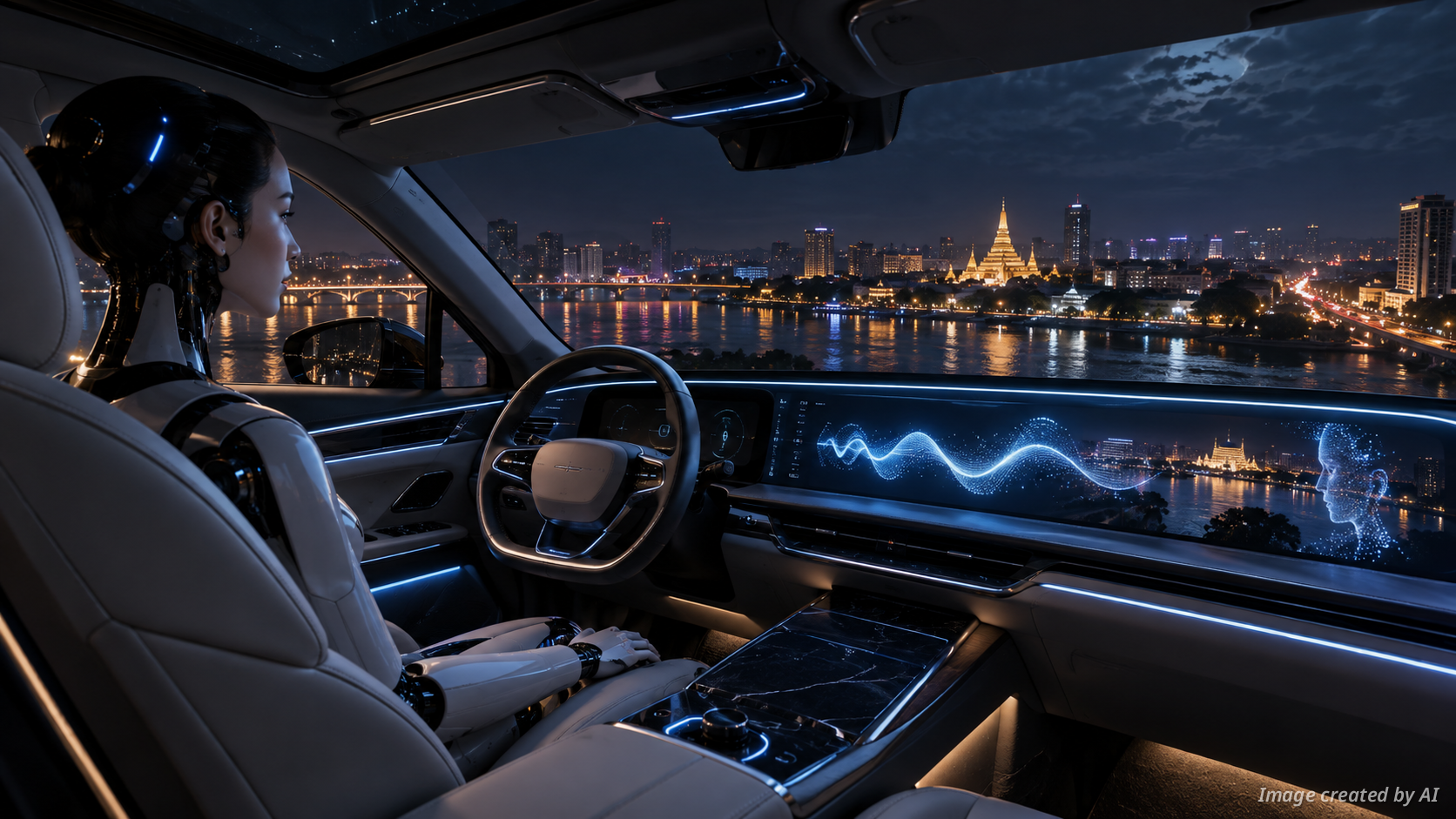
The growth of the electric vehicle (EV) industry in the Lao PDR is rapidly entering a new era. This involves not only the energy transition from fuel to electricity but also the development of intelligent cabin technologies. EV Voice Command Interfaces are becoming a crucial component in enhancing convenience and safety for drivers.
Natural Language Processing (NLP) experts are focusing on tailoring these systems to the context of Lao users. The country's abundant hydropower resources make the promotion of electric vehicles a key government strategy [4]. With the goal of reaching 30% electric vehicle adoption by 2030, developing interfaces that understand the local language is of great importance.

The Importance of Voice Command Systems in Vehicles
Voice command systems are not just about convenience; they are tools that help reduce driver distraction. Drivers can control infotainment systems, navigation, and vehicle settings without taking their eyes off the road. The market for in-vehicle infotainment controls in Laos is growing continuously due to the demand for better connectivity experiences [2].
Developing these systems requires a deep understanding of NLP. The system must be able to interpret a variety of commands and respond accurately. The challenge lies in creating language models that can support the unique accents and sentence structures of users in this region.
Integrating Technology with Infrastructure in Laos
Developing human resources in the EV sector is an urgent task. The National University of Laos plays a vital role in building knowledge in electrical and mechanical engineering [1]. This knowledge will serve as a foundation for developing software systems related to human-machine communication.
Additionally, integrating AI into small hardware such as Microcontroller Units (MCUs) is an interesting approach. Offline voice processing helps improve user data security without always relying on cloud connectivity [5]. This is a great example of using Edge AI in smart devices.
Energy Challenges and Market Growth
The rise of electric vehicles directly impacts electricity demand on the Lao grid. Research indicates that EV growth brings energy management challenges [3]. Voice command systems in cars can also be developed to act as assistants for energy management.
For example, drivers can command their car to find the nearest charging station or plan a trip based on the remaining battery level. These capabilities will help maximize the efficiency of EV usage in Laos. You can learn more about EV culture and user communities in Laos to understand consumer trends.
The Future of Voice Interaction in Laos
In the future, voice command systems will not just be about receiving basic commands. They will become systems that understand the driver's emotions and context. With advanced developments in AI and NLP, electric vehicles in Laos will become intelligent travel companions. Experts should focus on creating systems that fully support the Lao language.
Investment in software development and specialized personnel will be a key factor. With support from government policies, the EV industry in Laos will grow sustainably. You can study more about the use of artificial intelligence in electric vehicle battery management to get an overview of the related technologies.
Conclusion
EV Voice Command Interfaces are an inseparable part of the modern era. They help elevate the driving experience and safety for users in the Lao PDR. Through cooperation between the government, educational institutions, and the private sector, Laos will certainly be able to move toward becoming a leader in electric vehicle technology in the region.
More Information
- NLP (Natural Language Processing): A branch of artificial intelligence focused on enabling computers to understand, interpret, and generate human language effectively.
- EV (Electric Vehicle): Vehicles powered by electric motors instead of internal combustion engines, using energy from rechargeable batteries.
- Edge AI: Artificial intelligence processing directly on hardware devices (such as MCUs) rather than sending data to be processed on a cloud server, increasing speed and security.
- Infotainment System: An in-vehicle information and entertainment system that combines navigation, audio, and various controls into one location.
- Hydropower: Electricity generated from the flow of water, which is the main source of clean energy that the Lao PDR uses to drive its electric vehicle industry.