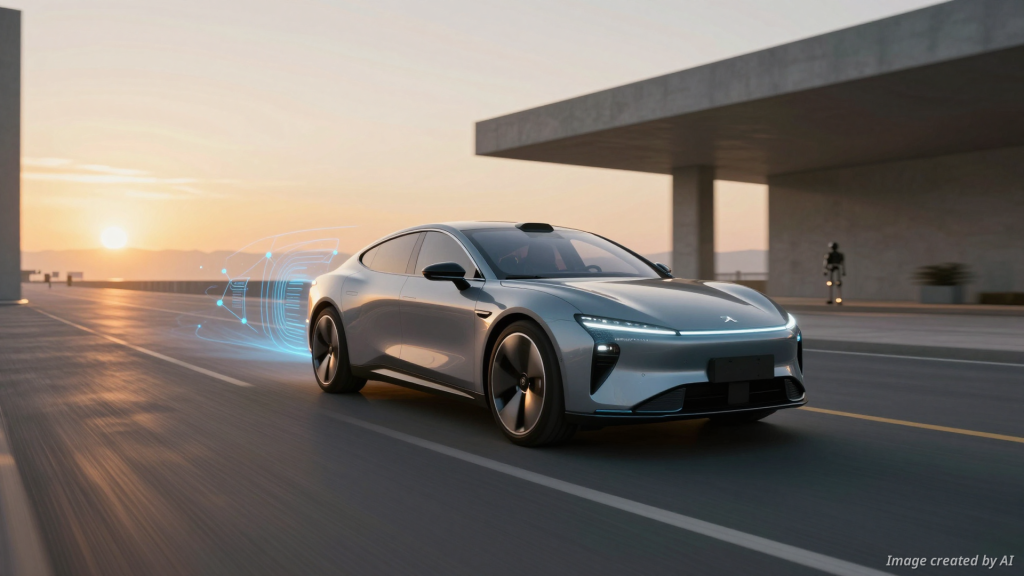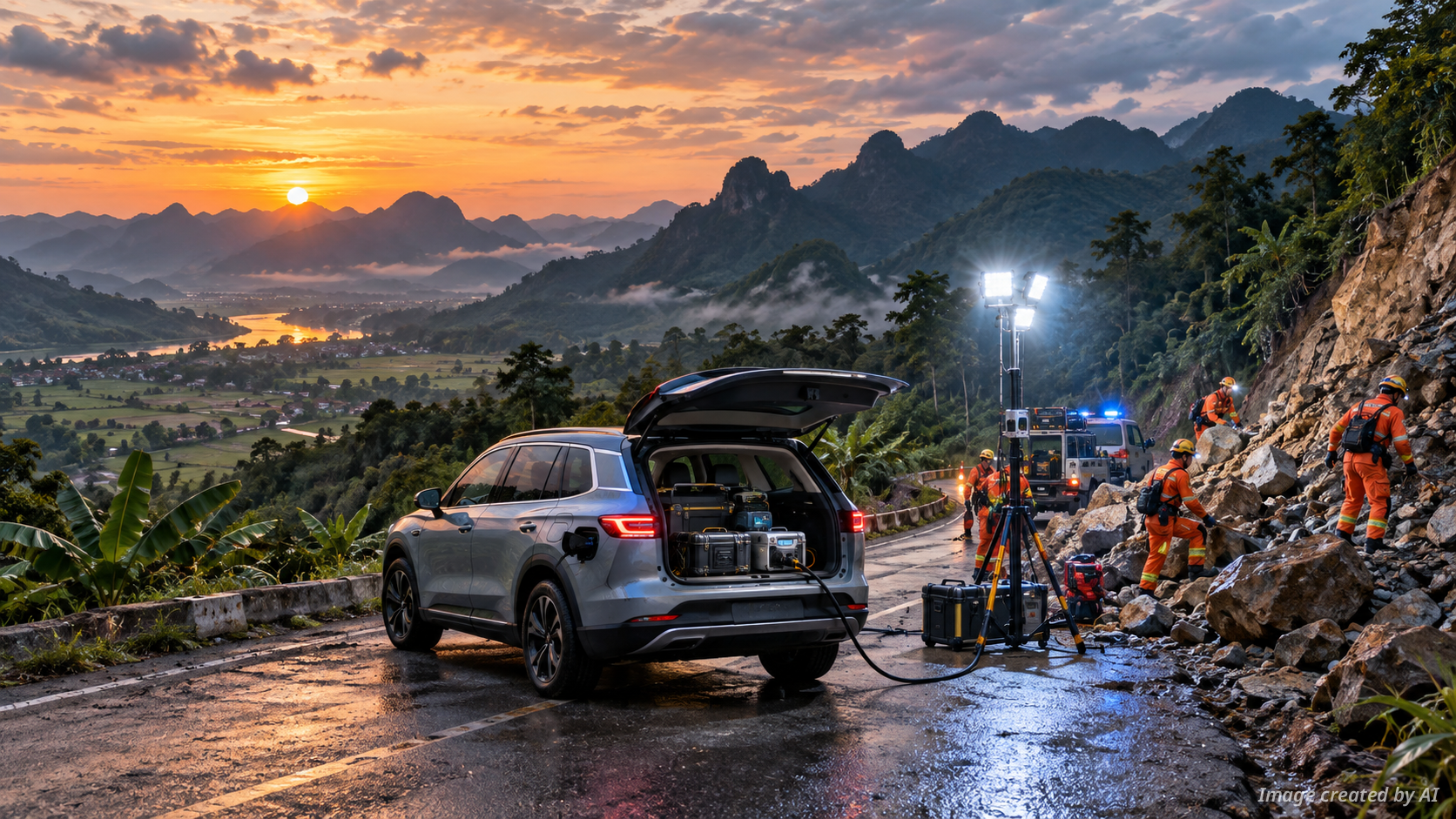
The transition to electric vehicles (EVs) in the Lao PDR is not only about reducing pollution but also about opening up new opportunities for energy utilization. Electric vehicles can now function as large "Power Banks," providing immense benefits to emergency service units.
With an abundance of hydropower, Laos has become a leader in promoting the use of electric vehicles to reduce fuel imports [1]. This technology allows vehicles to efficiently discharge electricity back to various devices.
The Power Discharge Capability of Electric Vehicles
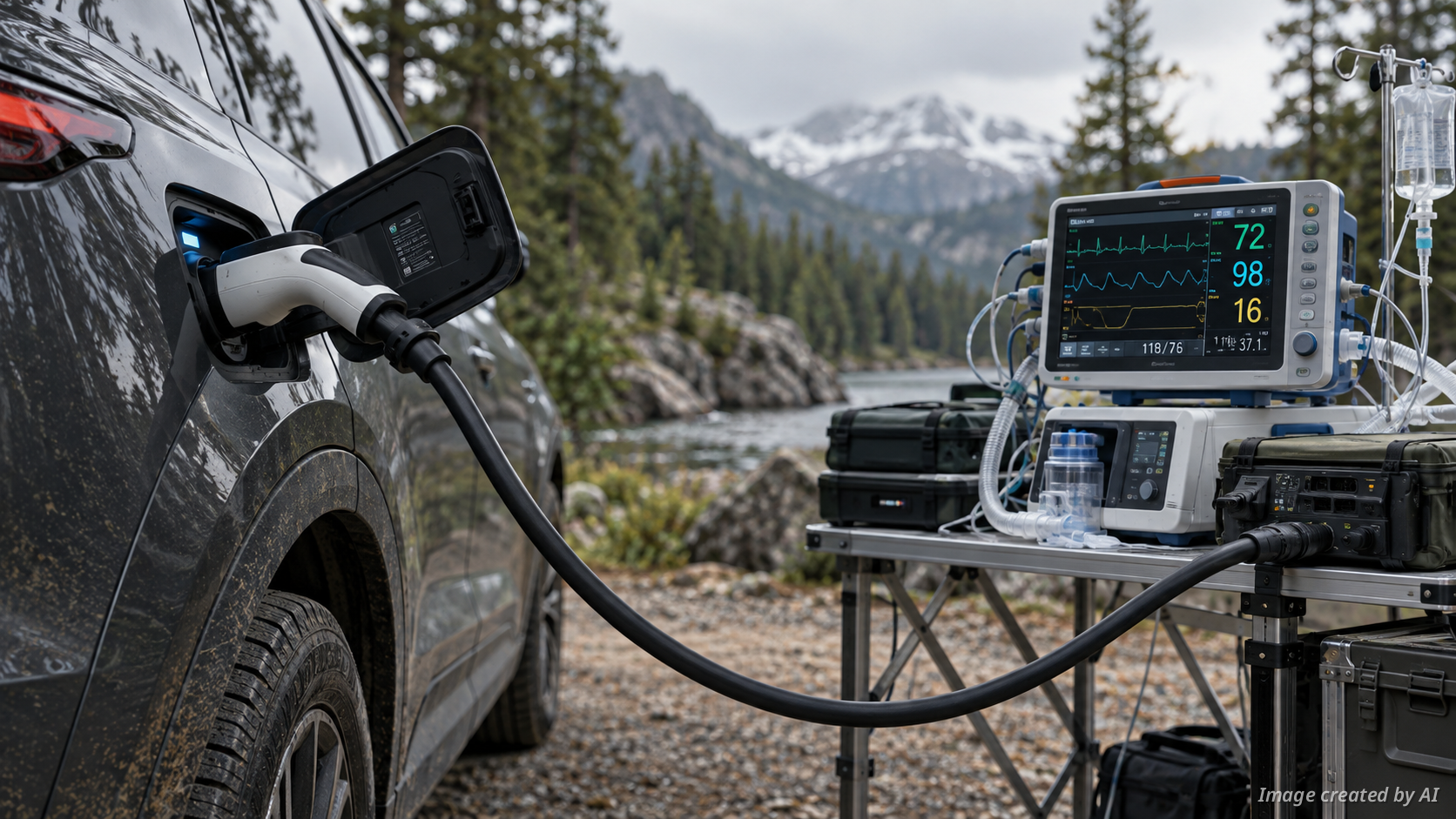
A system known as Vehicle-to-Load (V2L) allows users to draw power from an EV battery to operate external electrical appliances. For rescue units, this means having a reliable mobile power source. You can study more information about electric vehicles and renewable energy systems in the Lao PDR for a deeper understanding.
In emergency situations, having a readily available backup power source is crucial. Electric vehicles can provide power for lighting, rescue tools, or even medical equipment at the scene. This capability increases the operational flexibility of the teams.
Government Policy Support
The Lao government has set a target for electric vehicle adoption to reach 30% by 2030 [2]. This policy includes promoting infrastructure and supporting the private sector. This shift also helps reduce pressure on the import of fuel, which is subject to price volatility [3].
Promoting the use of EVs in both public and private sectors also helps build energy security for the country. You can read more about promoting electric trucks to reduce energy costs [4].
Benefits for Emergency Service Units
Emergency service units can utilize electric vehicles to increase operational efficiency. For example:
- Providing electricity to communication equipment in areas without power grid access.
- Serving as a backup power source for temporary shelters during disasters.
- Reducing noise and air pollution during operations.
Utilizing this technology also helps reduce reliance on fuel-powered generators, which is a solution consistent with Laos' direction toward sustainable development [5].
Infrastructure Readiness
Despite progress, the development of charging stations remains essential. The government is focusing on expanding infrastructure to support the growth of electric vehicles. An assessment of electric vehicle penetration in Laos shows increasing investment potential. Having widespread charging stations will allow emergency units to better manage their energy needs.
Investment in transmission and distribution systems will help support electric vehicles efficiently. You can study more about the electric vehicle parts market: new opportunities for investors in Laos to get an overview of this industry.
Challenges and Solutions
The main challenge is training personnel to understand the V2L system. Rescue officers must be knowledgeable in connecting and managing power from the vehicle. Establishing technical standards will help ensure safe usage.
Furthermore, cooperation between the public and private sectors is vital. Sharing information and technology will help Laos move steadily toward becoming a regional hub for clean energy.
Conclusion
Using electric vehicles as a backup power source is a smart choice for emergency service units in Laos. With the potential of hydropower and support from the government, we can build a modern, environmentally friendly aid system.
This change is not just about transportation; it is about building operational security. Let us work together to develop and apply this technology for a better future for the Lao people.
More Information
- Vehicle-to-Load (V2L): Technology that allows electric vehicles to discharge electricity for use with external appliances, turning the vehicle into a mobile power source for various devices.
- EV Penetration: The rate of adoption or usage of electric vehicles in the total automotive market, which the Lao government aims to reach 30% by 2030.
- Hydropower: Electricity generated from waterfalls, which is the primary energy source of the Lao PDR, contributing to the sustainability of EV usage.
- Energy Security: Having sufficient and stable energy sources to support the country's needs without relying on imported fuel.
- Sustainable Development: Development that meets the needs of the present without compromising the resources of future generations.