
In an era where electric vehicles (EVs) have become an integral part of modern life, Over-the-Air (OTA) software update technology has become a cornerstone of the industry. It not only helps improve driving performance but also serves as a powerful tool for enhancing the safety of electronic braking and steering systems.
Performance-conscious EV owners should understand that these updates are not just about improving infotainment screens. They are directly linked to the vehicle's core control systems, which influence how the car responds in emergency situations [1].
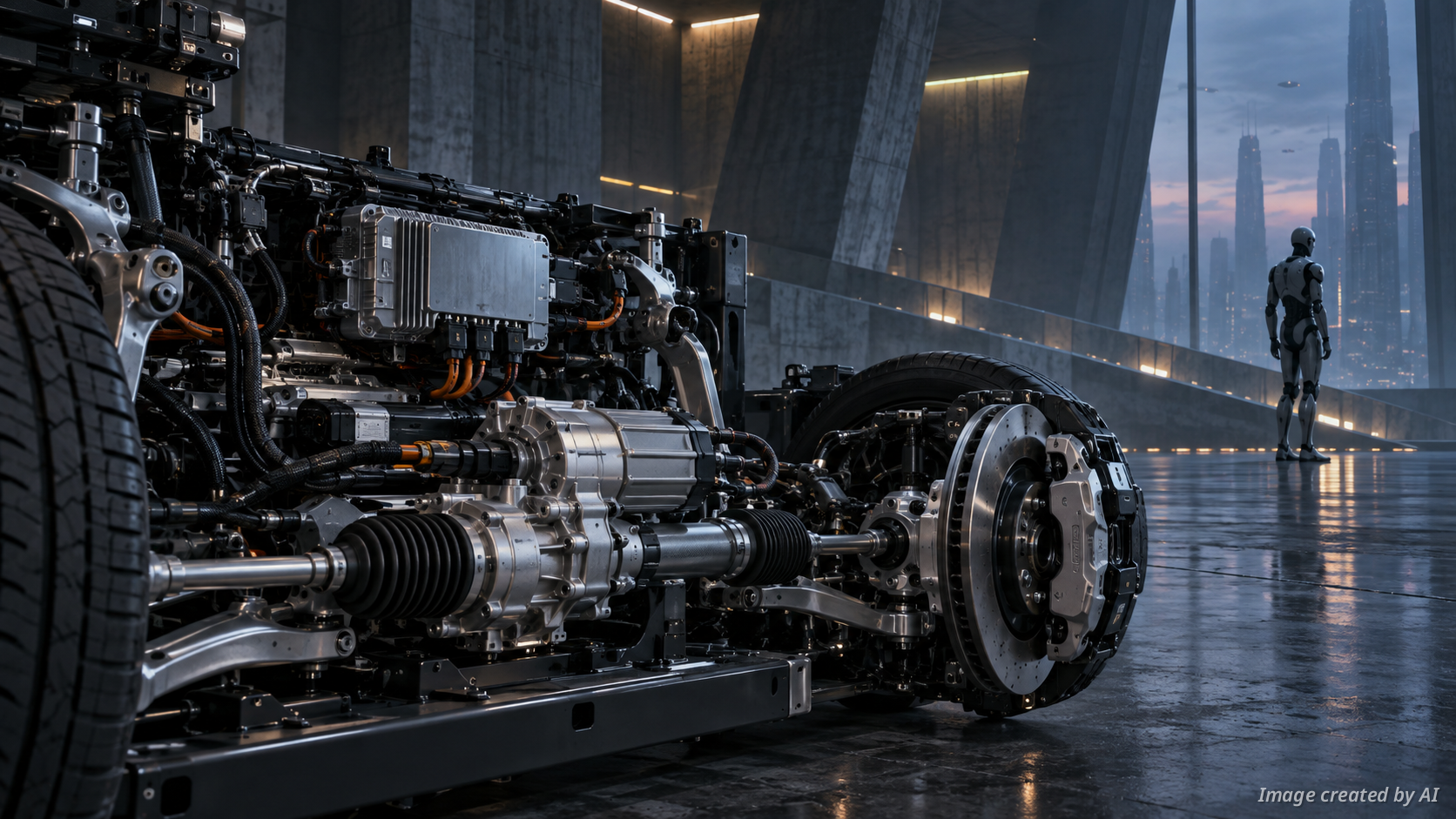
The Importance of OTA Updates for Safety Systems
Braking and electronic steering systems in modern electric vehicles are controlled by complex software. When bugs are discovered or system logic needs improvement, OTA updates allow these issues to be addressed directly without the need to visit a service center [2].
These updates help ensure that the vehicle consistently meets international safety standards. For example, improvements to power control or domain control systems can effectively prevent damage to electrical components.
Enhancing Driving Performance Through Software
For those who enjoy high-performance driving, software updates can refine steering responsiveness for greater precision. Modern software systems allow power delivery to the motors and driver-assistance systems to work together more harmoniously.
You can learn more about high-efficiency electric vehicle energy management software to understand the role software plays in power management. These updates also include checks for various safety sensors to ensure they are functioning correctly [3].
Limitations and the Necessity of Service Center Visits
While OTA updates are convenient, they cannot completely replace physical maintenance. Some issues related to hardware or mechanical damage still require inspection by a qualified technician [1].
OTA updates are an excellent supplementary tool, but checking the braking and steering systems at a service center remains indispensable. You should strictly follow the electric vehicle maintenance schedule for maximum safety.
The Future of Driving with Smart Technology
In the future, electric vehicles will be able to learn driver behavior to automatically improve driving performance. These technologies will be delivered via OTA to keep your vehicle constantly up to date [4].
Vehicle-to-Everything (V2X) connectivity will further enhance the safety of braking and steering systems. You can view more information on V2X technology connecting vehicles to smart traffic infrastructure to get an overview of future developments.
Reliability of Modern Electric Vehicles
Many people may have questions regarding the reliability of electric vehicles from various brands. However, OTA updates have become a standard feature that every brand must have to ensure safety [5]. Continuous software updates are evidence of a manufacturer's commitment to quality.
Vehicle owners should always check for update notifications. Do not ignore updates related to safety systems, as they may contain the most critical fixes for preventing accidents.
Preparing Your Vehicle
To get the most out of OTA updates, you should follow these guidelines:
- Ensure the vehicle's internet connection is stable.
- Maintain a sufficient battery charge level before starting the update.
- Read the release notes every time to understand what improvements have been made.
- Avoid using the vehicle while the system is updating.
Keeping your braking and steering systems up to date via OTA not only makes your car safer but also increases its long-term value. We wish you a safe and modern driving experience.
More Information
- Over-the-Air (OTA): Wireless software delivery technology that sends data directly to the vehicle to update systems, fix bugs, or add new features without needing to visit a service center.
- Electronic Power Steering (EPS): An electronic steering system that uses an electric motor to assist with steering, making vehicle control easier and more precise than traditional hydraulic systems.
- Braking System Logic: The software-based logic that controls the braking system, which plays a critical role in the vehicle's decision-making process for stopping or slowing down as safely as possible.
- Domain Controller: The central control unit in an electric vehicle that manages various subsystems, such as electrical, safety, and infotainment systems, to ensure they work together efficiently.
- Vehicle Safety Standards: International safety standards that every vehicle must follow to ensure that its systems do not pose a risk to the driver or other road users.