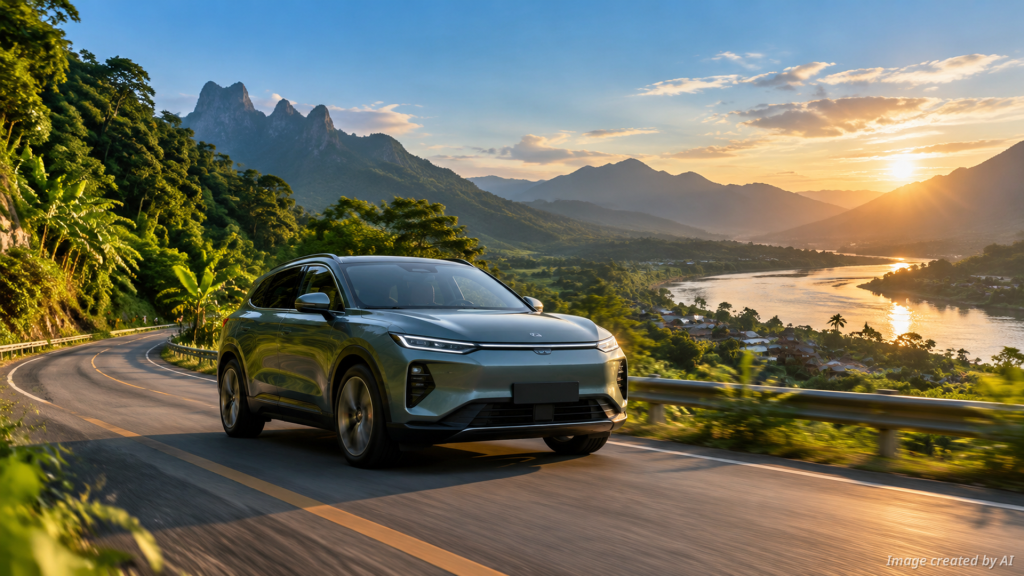
In the current era, the ride-sharing service business in Laos is rapidly transitioning toward the use of electric vehicles (EVs). This shift not only helps reduce pollution but also presents an opportunity to utilize modern technology to generate higher profits.
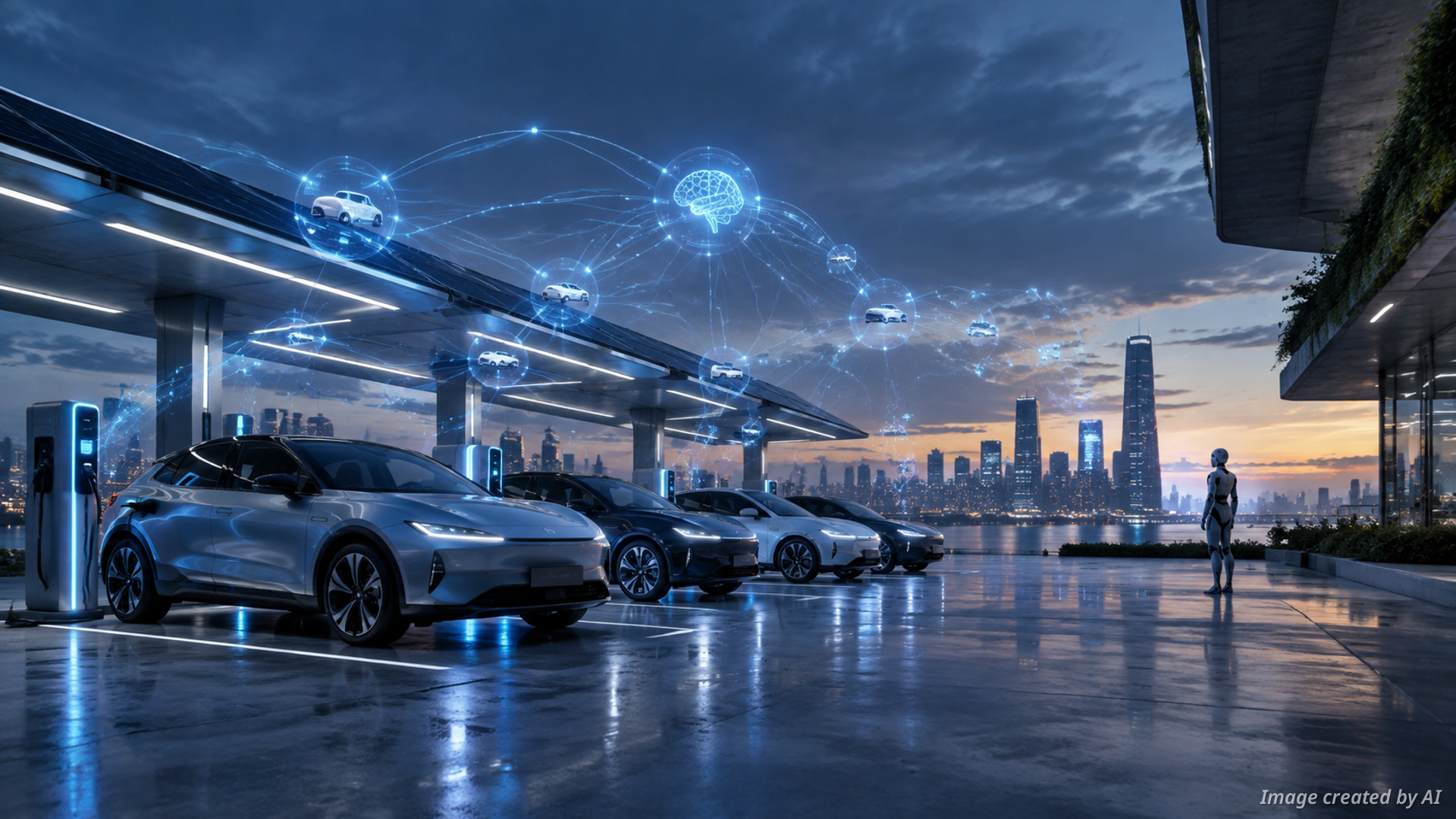
Integrating artificial intelligence (AI) into electric vehicle fleet management is the key to maximizing operational efficiency. These systems allow operators to monitor and analyze data in real-time for better decision-making. EV fleet optimization through AI is something modern transportation businesses should not overlook.

Predictive Maintenance
One of the greatest benefits of AI is its ability to predict technical issues. AI systems can analyze data from various sensors in the vehicle to provide alerts before equipment fails [2].
This predictive maintenance helps reduce vehicle downtime. Consequently, your business can maintain a consistent level of service and significantly reduce unnecessary costs [3].
Route Planning and Energy Management
Route planning for electric vehicles differs from that of combustion engine vehicles. AI considers battery levels, traffic conditions, and the location of charging stations at each point [4].
By analyzing this data, AI can recommend the most energy-efficient routes. Furthermore, it effectively helps reduce range anxiety for drivers AI-powered EV fleet management.
Extending Battery Life
The battery is the heart of an electric vehicle. AI-driven battery management systems continuously monitor the health of the battery [3].
AI optimizes charging cycles to extend the battery's lifespan. This is a worthwhile investment, as it will help reduce future costs associated with battery replacements [5].
Grid Integration
Vehicle-to-Grid (V2G) technology, controlled by AI, allows electric vehicles to feed energy back into the system during periods of high demand [4]. This not only supports the community but can also generate additional income for EV fleet operators.
For more information on developments in this sector, you can read more at The Future of Electric Buses and Public Transportation in Laos for an overview of transportation in the country.
Adjusting Driver Behavior
AI can also analyze the driving behavior of each individual driver. This data allows fleet managers to provide guidance to adjust driving styles for better energy efficiency [5].
Smooth and proper driving also reduces wear on tires and braking systems. The result is lower maintenance costs and increased safety AI in fleet management.
Conclusion
Incorporating AI into electric vehicle fleet management is a smart decision. It not only helps increase operational efficiency but also creates a competitive advantage in the rapidly growing ride-sharing market in Laos.
By investing in the right software, your business will be able to reduce costs and increase profits sustainably. Do not forget to study more information regarding Electric Vehicles and Renewable Energy Systems in the Lao PDR to understand the relevant ecosystem.
More Information
- EV Fleet Optimization: The process of using data and technology to make electric vehicle management in business cost-effective, reducing expenses and maximizing productivity [1].
- Predictive Maintenance: Using AI to analyze data from vehicle sensors to predict which equipment will fail, allowing for repairs before major issues occur [2].
- Battery Management System (BMS): Intelligent software that monitors battery health, optimizes charging cycles, and helps extend the battery's lifespan [3].
- Vehicle-to-Grid (V2G): Technology that allows electric vehicles to send electrical energy from the battery back to the power grid during periods of high demand [4].
- Driver Behavior Analysis: The use of AI to monitor and evaluate employee driving patterns to adjust them for greater safety and energy efficiency [5].