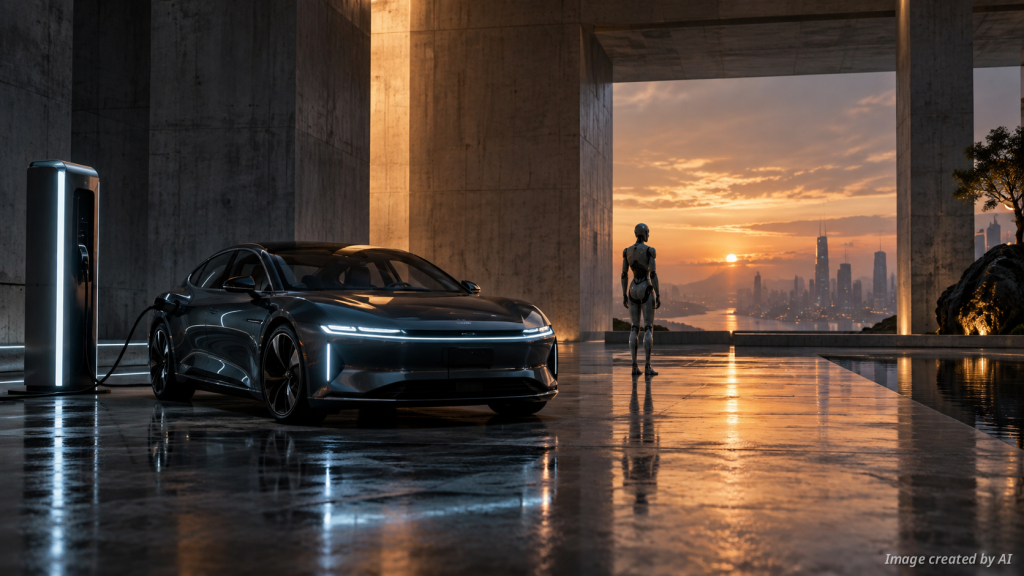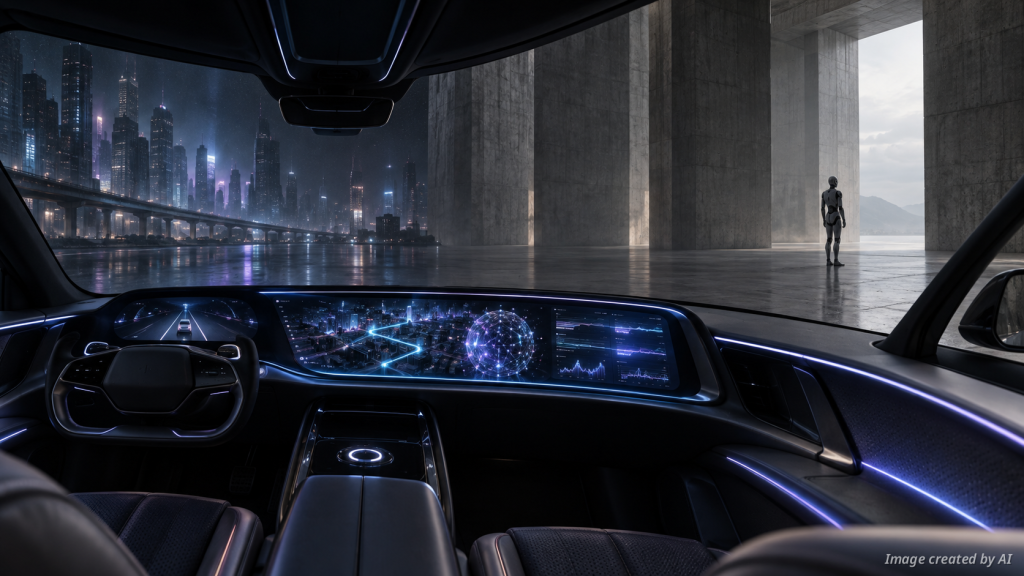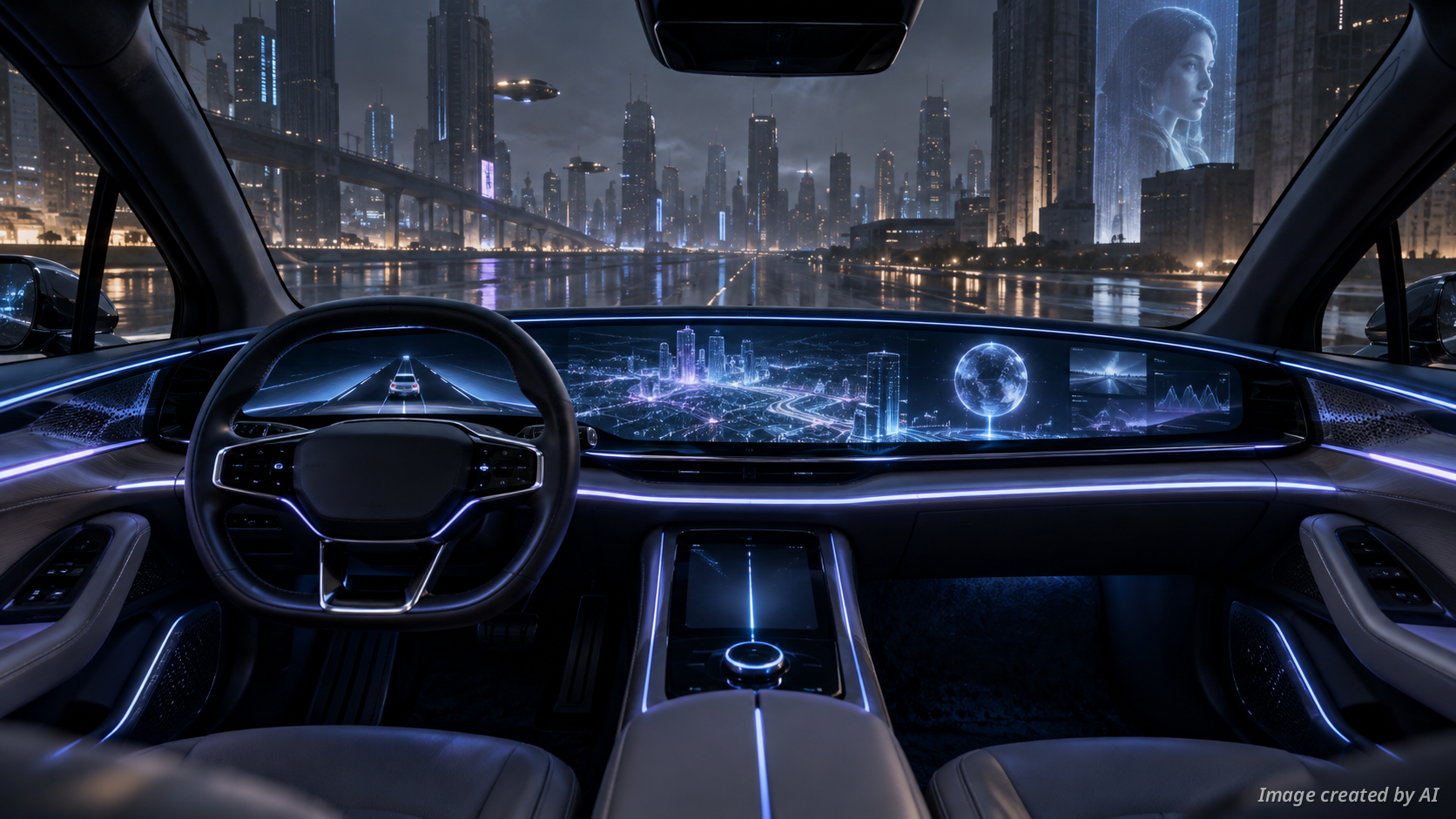
Human-Machine Interface (HMI) design is entering a new era in the electric vehicle industry. Gesture control has become one of the most compelling technologies for HMI designers today. It allows drivers to command various vehicle systems without ever touching a screen.
In Laos, the transition toward electric vehicles (EVs) is progressing rapidly. The government has implemented proactive policies to promote EV adoption, alongside price controls to protect consumers [2]. Consequently, HMI designers must adapt to this trend.
The Importance of HMI Design in the EV Era
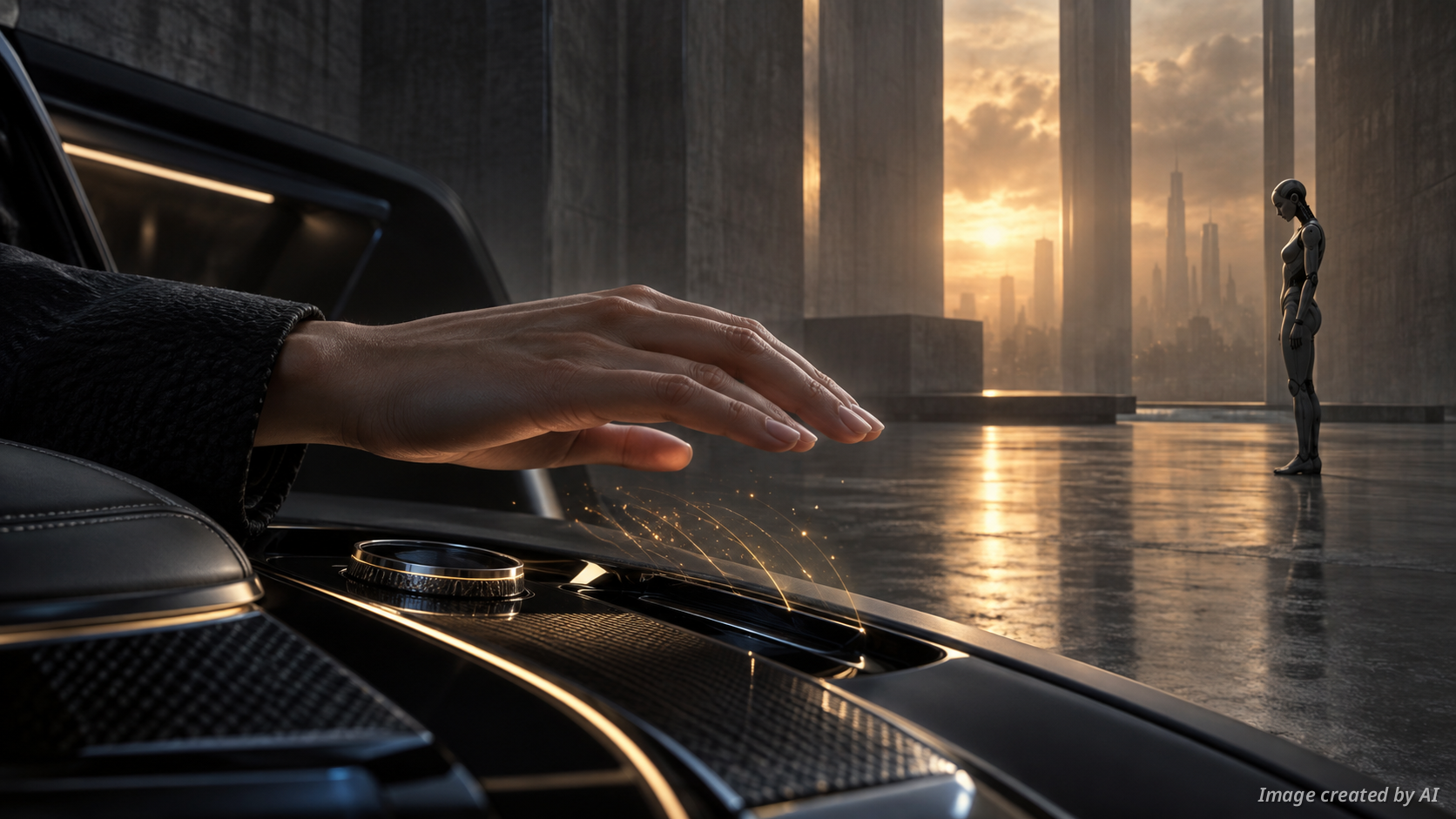
Good HMI design is not just about aesthetics; it must also be safe. When drivers do not have to take their eyes off the road, safety is enhanced. Touchless display technology is being widely adopted [4]. Designers must consider the ease of using natural gestures.
Market research in Laos shows that the demand for infotainment technology is growing. EV users in Laos desire modern, easy-to-use systems [1]. You can learn more about voice command systems in electric vehicles to further enhance the user experience.
The Technology Behind Gesture Control
Gesture recognition systems use complex sensors to track hand movements. These technologies often utilize Time-of-Flight (ToF) cameras or infrared sensors, which allow the vehicle to interpret commands accurately [3]. Accuracy is the key to user satisfaction.
Developers can also leverage Machine Learning to make systems smarter [5]. As the system learns driver behavior, it will operate more efficiently. This represents a great opportunity for HMI designers in Laos.
Adapting to the Lao Market
HMI design must take into account local culture and user behavior. For example, function names should be in a language that is easy to understand. You can view more information on electric vehicles and smart city development to better understand the context of the Lao market.
Adopting gesture recognition technology will help differentiate electric vehicle brands in Laos [3]. It is not just a matter of modernity, but also of safety, as drivers will be able to stay more focused on the road.
Challenges for HMI Designers
The biggest challenge is reducing system errors. Sometimes, unintentional hand movements may be misinterpreted as commands. Designers must create systems with high sensitivity and conduct rigorous testing before bringing them to market.
Additionally, the cost of installing sensors is a factor that must be considered. The Lao government has strict price controls on electric vehicles [2]. Therefore, designers must find cost-effective solutions. Selecting the right hardware will help manage costs.
The Future of Interaction in Electric Vehicles
In the future, gesture control may be fully integrated with AI systems. Vehicles will be able to anticipate driver needs before they even issue a command. This is the pinnacle of HMI design and will change how we interact with vehicles forever.
Designers in Laos should closely follow developments in the Lao vehicle infotainment control market [1]. Having knowledge of new technologies will give you a competitive advantage. Never stop learning and developing your skills.
Conclusion
Gesture control is a vital part of the future of HMI. It helps make driving safer and more modern. For HMI designers in Laos, this is an opportunity to create excellent user experiences. With support from government policies, the EV market in Laos will grow strongly.
More Information
- Infotainment Control Market: Refers to the industry related to command systems and in-vehicle data displays, which is growing rapidly in Laos [1].
- Lao EV Policy: Government measures to restrict the import of internal combustion engine vehicles and control EV prices to promote clean energy usage [2].
- Gesture Control: Technology that allows users to command devices through hand or body movements without touching a screen [3].
- Touchless Technology: Interaction innovation that uses sensors or cameras to reduce direct contact with devices [4].
- Machine Learning: A branch of AI that enables systems to learn and improve performance based on received data [5].