The transition to electric vehicles (EVs) is becoming a major global trend. To support this growth, the establishment of electric vehicle charging standards is of utmost importance. Standards organizations and manufacturers are working closely together to ensure safety and efficiency. [2]
The Lao PDR is also developing its own standards based on international principles. The adoption of modern technology will make the use of electric vehicles in Laos more convenient. [4]
The Role of International Standards
International standards, such as those from ISO and IEC, serve as a vital foundation for setting direction. They allow manufacturers to design equipment that is compatible. [2] Having a unified standard also helps reduce production costs and allows users to charge their vehicles anywhere with confidence.
As many countries accelerate the development of their systems, the creation of national regulations regarding charging stations is essential. These standards are not merely technical guidelines; they are also tools for ensuring the quality of electrical equipment. [2]
Safety of Charging Systems
Safety must always come first. Charging systems must undergo rigorous testing. [5] Standards such as TCVN 13078-1 (IEC 61851-1) define general requirements for charging systems, [3] including electrical safety and fire prevention.
Charging station manufacturers must strictly adhere to regulations. Designs must support both alternating current (AC) and direct current (DC) systems. [3] Defining technical standards will help prevent accidents during charging and effectively protect both users and vehicles.
Infrastructure Development in Laos
The Lao PDR is widely embracing electric vehicle technology. Developing charging infrastructure is a top priority. [4] You can learn more about EV culture and user communities in Laos to understand market needs. Manufacturers should consider the local environment and the domestic electrical grid.
Public-private partnerships are essential. The government plays a role in setting policy, [4] while the private sector plays a role in investing and installing stations. Standardization will ensure that this growth is sustainable.
Technology and Compatibility
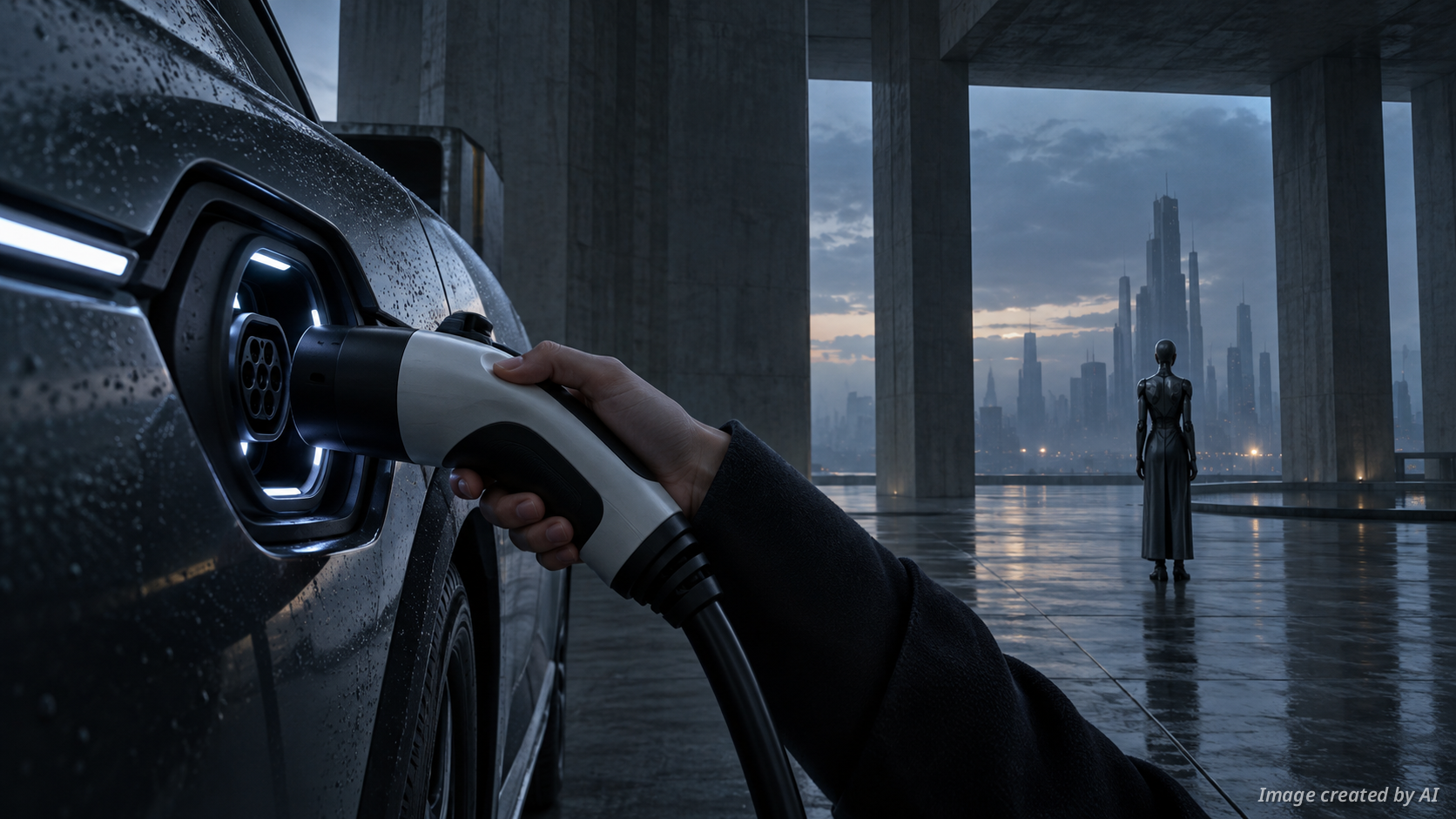
The biggest challenge is the diversity of charging connectors. Manufacturers of different EV brands may have different connector standards. [4] However, adopting international standards will help resolve this issue, allowing charging stations to support many types of vehicles.
Beyond the connectors, communication systems between the vehicle and the station are also important. Charging data must be transmitted accurately. [4] Manufacturers should develop modern software. You can read about over-the-air software updates for electric vehicles in Laos to see the evolution of this technology.
Inspection and Maintenance
Once a charging station is installed, maintenance is indispensable. [3] Standards should cover periodic inspection procedures. Setting standards for cables and connection equipment is very important. [1]
Having a team of skilled technicians is essential. They must understand electrical safety standards [3] and be able to resolve technical issues quickly. [3] Keeping stations in good condition will build confidence among users.
The Future of Charging in Laos
The future of charging in Laos is full of opportunities. With support from clear policies and standards, we will see significant growth. Manufacturers that can adapt to international standards will have a competitive advantage.
We should continue to study and develop. Exchanging information between standards organizations will be beneficial. [4] At the same time, raising awareness among users is equally important. [5]
More Information
- Cable Standards: Technical requirements regarding the quality and safety of cables used in EV charging stations to prevent overheating or short circuits. [1]
- International Standards (ISO/IEC): Globally accepted rules that allow equipment and technology from different countries to work together efficiently and safely. [2]
- EV Charging System: Equipment and infrastructure used to transfer electrical energy from the grid to an EV battery, which must pass safety tests according to standards. [3]
- Charging Infrastructure: The system of charging stations, control systems, and communication systems necessary to support widespread EV adoption and reduce the use of fossil fuels. [4]
- Electrical Safety: Preventive measures for hazards that may arise from using high-voltage electrical equipment, including fire prevention and user protection. [5]