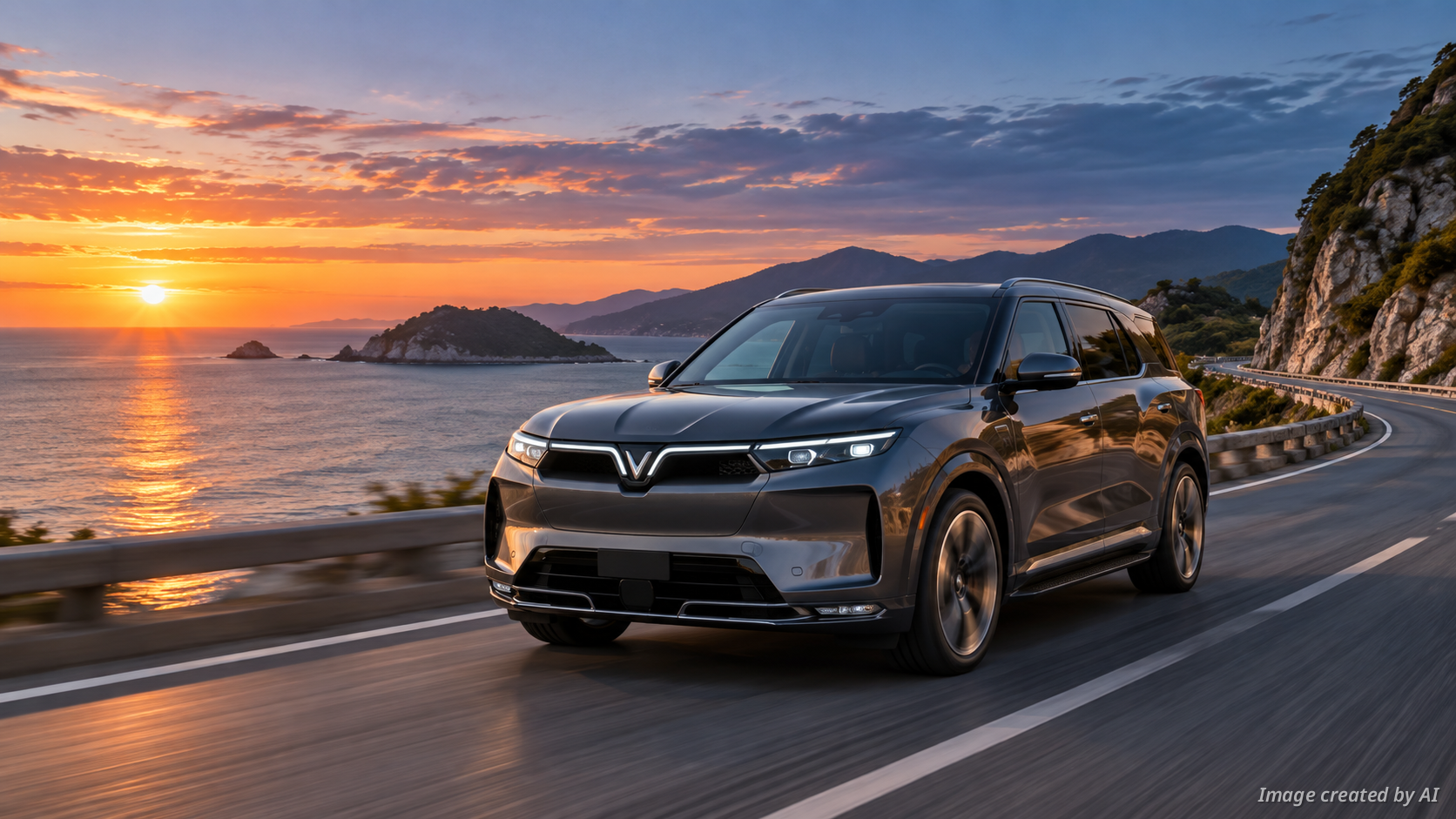
The world of electric vehicles is entering a new era with the development of cutting-edge technology. One of the most highly anticipated innovations currently is the EREV (Extended Range Electric Vehicle) architecture. For VinFast, implementing this technology in the VF9 model is a significant milestone that could transform the way users travel in the future [1].
EREV technology is not a typical electric vehicle; it is a smart integration. It uses a small internal combustion engine to act as a generator. The electricity produced is then sent to charge the battery or used directly to power the motor [2].
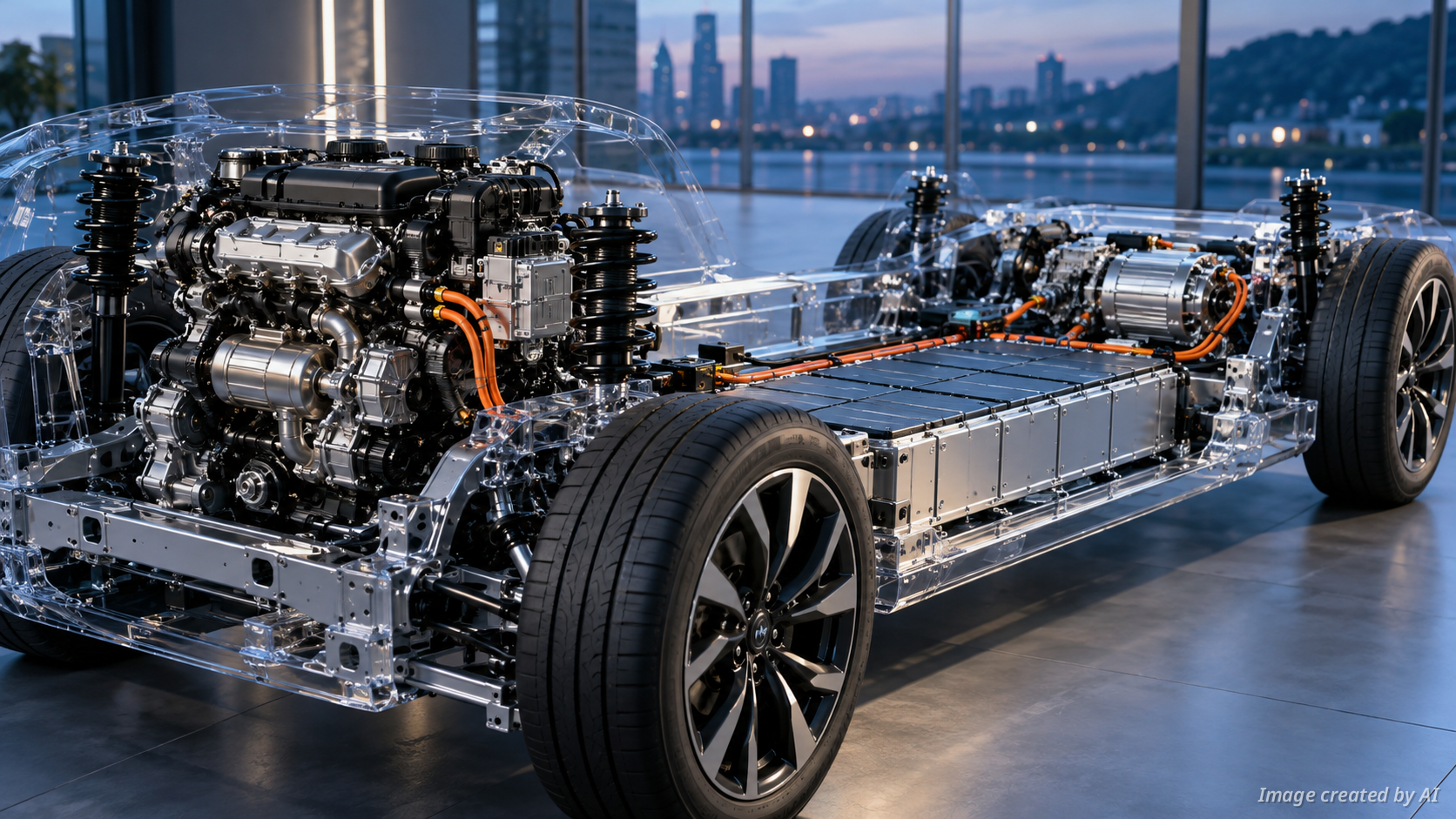
Understanding EREV Technology
Many may wonder how EREV differs from a standard hybrid vehicle. The key difference is that the internal combustion engine in an EREV does not directly drive the wheels. It functions solely as a "generator" to extend the vehicle's driving range [5]. As a result, drivers do not need to worry about frequently searching for charging stations.
Applying this technology to the VinFast VF9 will help address range limitations. Users can travel thousands of kilometers without having to stop for frequent charges. This is an ideal solution for countries where charging infrastructure is not yet widespread [4].
Benefits of the VF9 EREV for Users
This change will provide many benefits to customers. First and foremost is the convenience of long-distance travel. You do not need to follow a strict charging plan as you would with a pure Battery Electric Vehicle (BEV) [2]. Simply refuel, and you can continue your journey immediately.
Furthermore, using EREV technology also reduces anxiety regarding running out of battery mid-trip. Moreover, it maintains the quiet driving experience of an electric vehicle. The electric motor remains the primary source of propulsion, keeping the ride smooth and providing excellent torque [1].
The Future of Electric Vehicle Production
VinFast has demonstrated its commitment to developing new technologies. The production of hybrid vehicles, specifically EREV models, is a strategy well-suited for the global market. It is a combination of environmental friendliness and practical utility [1].
Many experts believe that EREV is an important "bridge." It helps users adapt to electric vehicles more easily. While battery technology continues to evolve, EREV will remain the best option to meet the current needs of consumers [2].
Design Adaptations for Efficiency
The addition of an internal combustion engine requires structural adjustments. For example, the front design of the vehicle may need air intakes to dissipate heat for the engine [4]. This is something we may see in newer versions of the VF9.
These adjustments do not diminish the vehicle's aesthetics. On the contrary, they demonstrate clever engineering design. The VinFast engineering team is working hard to ensure that the VF9 EREV remains as luxurious and modern as ever [3].
Importance to Infrastructure
In countries with vast territories, having charging stations everywhere is difficult. Therefore, EREV vehicles will significantly reduce the burden on charging infrastructure. Users do not need to wait for long periods to charge during long trips [4].
This is a sustainable solution. It allows people to switch to electric vehicles faster without waiting for infrastructure to be perfect. It adds a diverse range of options for consumers in the automotive market [2].
Conclusion
EREV architecture is becoming a major turning point for the VinFast VF9. With its ability to extend range and provide convenience, it is the perfect answer. We can expect this model to be well-received by users worldwide [5].
The future of electric vehicle production is not limited to battery usage alone. It is about the integration of technologies to create the best possible experience. VinFast has already proven that they are ready to lead the way on this path [3].
More Information
- EREV (Extended Range Electric Vehicle): A type of vehicle that uses a small internal combustion engine to generate electricity for the battery, where the engine does not directly drive the wheels.
- BEV (Battery Electric Vehicle): A vehicle that uses 100% electric power from a battery for propulsion, has no internal combustion engine, and produces zero emissions while driving.
- Hybrid: A powertrain system that uses more than one power source, typically a combination of an internal combustion engine and an electric motor to increase fuel efficiency.
- WLTP (Worldwide Harmonized Light Vehicles Test Procedure): An international standard used to test and measure driving range, fuel consumption, and vehicle emissions.
- Electric Motor: A device that converts electrical energy into mechanical energy to rotate wheels and propel the vehicle forward.